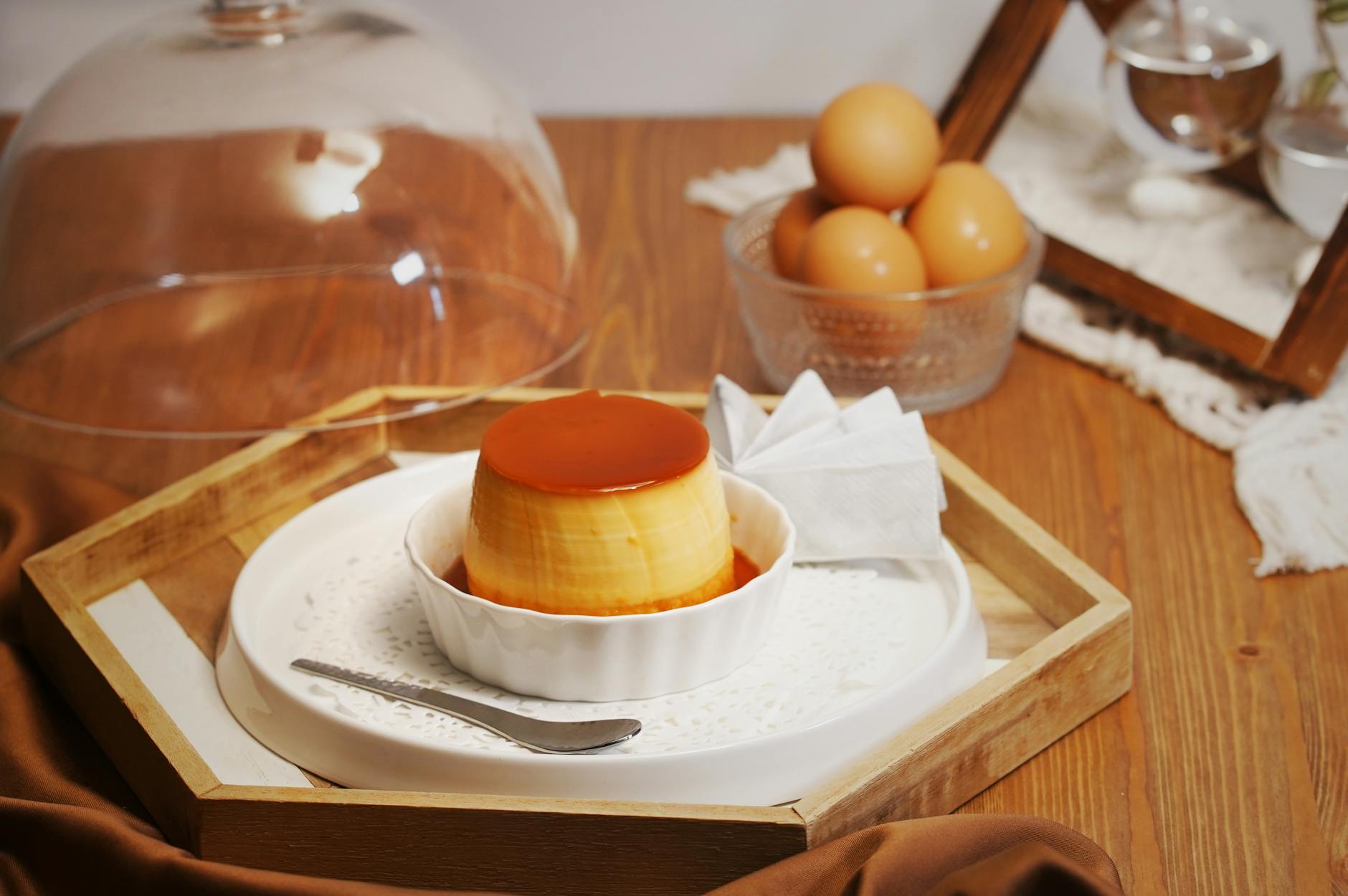
Creamy Vanilla Egg Custard Protein Pots
These smooth, lightly sweet vanilla custard pots are easy to sip or spoon when your appetite is low on GLP-1 medications. They pack high-quality protein and gentle carbs into a small, easy-to-digest portion to support muscle and energy without overwhelming your stomach.
Ingredients
- 2 piece eggs — whole, lightly beaten
- 150 g greek yogurt, plain, 2 percent — room temperature if possible
- 200 ml milk, lactose-free or regular, 1.5 percent — room temperature if possible
- 25 g whey or neutral protein powder, vanilla or unflavoured — sifted to remove lumps
- 15 g maple syrup or liquid honey — liquid optional
- 3 ml vanilla extract — none
- 1 pinch fine sea salt — a small pinch
Instructions
- Preheat the oven to 150°C and place a small baking dish inside that can hold two ramekins; put a kettle of water on to boil for a water bath.
- In a medium bowl, whisk the eggs gently until just combined, then whisk in the greek yogurt until smooth with no visible lumps.
- Add the milk, protein powder, maple syrup if using, vanilla extract and salt, whisking slowly until the mixture is silky and the protein powder is fully dissolved; avoid whipping in lots of air.
- Strain the custard mixture through a fine sieve into a jug to remove any bits, then divide evenly between two small oven-safe ramekins.
- Place the ramekins in the preheated baking dish and carefully pour hot (not boiling) water into the dish so it comes about halfway up the sides of the ramekins, creating a gentle water bath.
- Bake for 15–20 minutes until the edges are set but the centres still have a slight wobble; remove the ramekins from the water and let them cool to warm or room temperature.
- Serve warm or chilled; if your appetite is very low, start with a few small spoonfuls, or thin with a splash of extra milk and stir to a drinkable consistency.
Tips for GLP-1 users
If your appetite is very low, keep the portion tiny and focus on slow, mindful bites—the smooth texture and mild vanilla scent are designed to be non-triggering while still delivering over 20 g of protein per serving.
Eat this custard slightly chilled or at room temperature, as extreme temperatures and strong food smells can worsen nausea and make low appetite feel more pronounced on GLP-1 medications.
Build a day around Creamy Vanilla Egg Custard Protein Pots
Tell us how eating feels at the moment and we’ll build a day around this recipe.
Step 1 of 3
Please pick one so we know where to start.
Step 2 of 3
Step 3 of 3
We will use this to send your day
We'll email you this day as a PDF, plus a quick intro to Food Signals and our current offer.
Please enter a valid email address.
Food Signals
Your day of meals
Daily Clinical Targets
Dietitian's Note
We've emailed you an intro to Food Signals, an overview of what it does, and our current offer — with your plan attached as a PDF.
Save this day?
We'll save this day as your first plan in Food Signals — then come back any time to build the rest of the week, a shopping list, and somewhere to note how meals actually went. Your first 3 months are free, and early-access members keep 50% off for as long as they stay after that. No card needed.
This creates your Food Signals account. We never share your email, and you can delete your account any time. Read our privacy policy →
You're in — welcome!
Taking you straight into the app…
General dietary information only — not a substitute for medical advice. Always talk to your doctor, pharmacist or dietitian before changing what you eat while on a GLP-1 medication.
More Low Appetite recipes
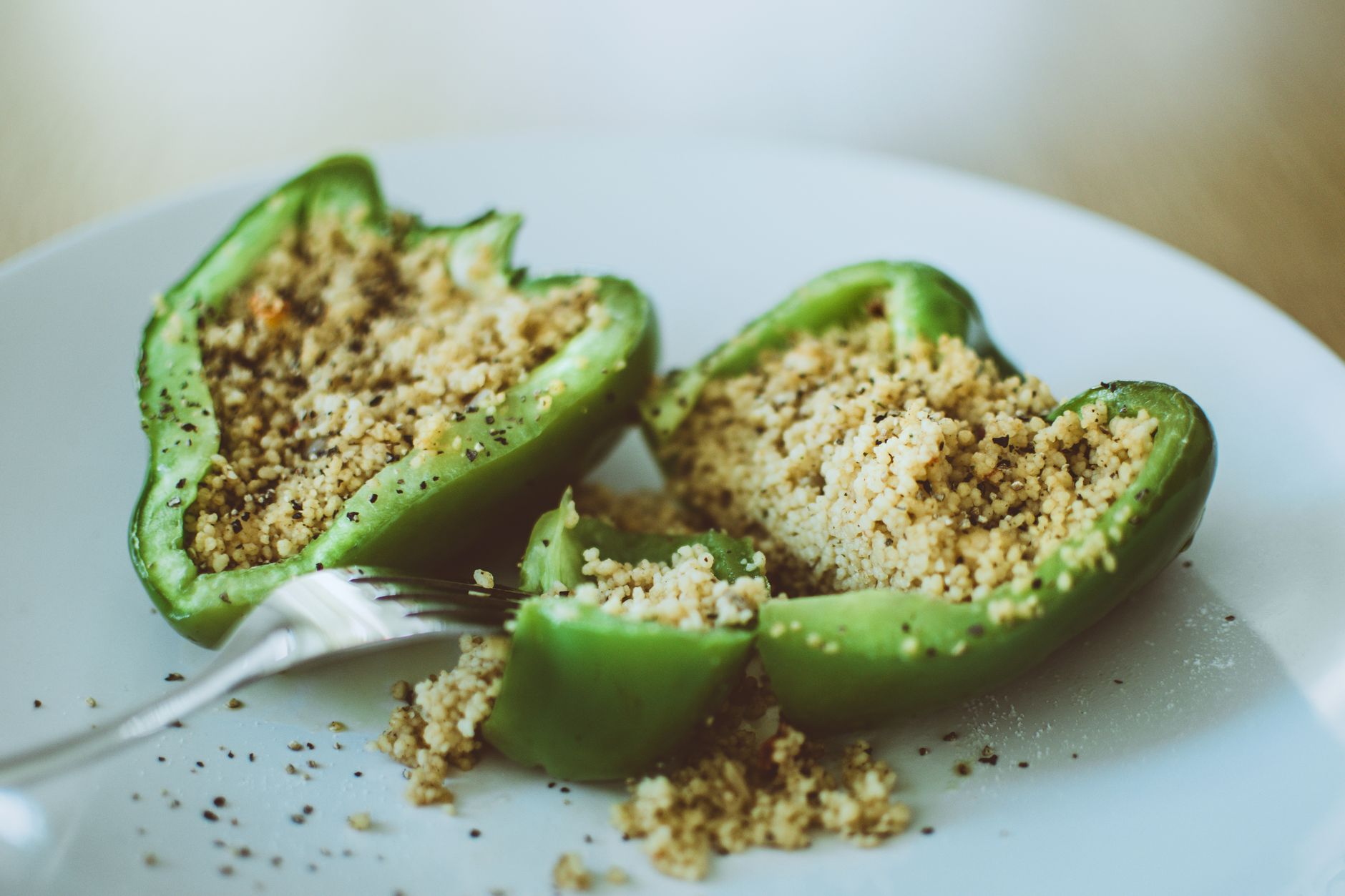
Savory Matcha Tofu Couscous Bites
These small, savory bites pair protein-rich tofu and protein powder with soft couscous for a gentle, energy-dense snack that suits GLP-1 users with low appetite. Mild matcha and herbs add subtle flavor without strong smells, so each small portion delivers concentrated protein and calories without feeling heavy.
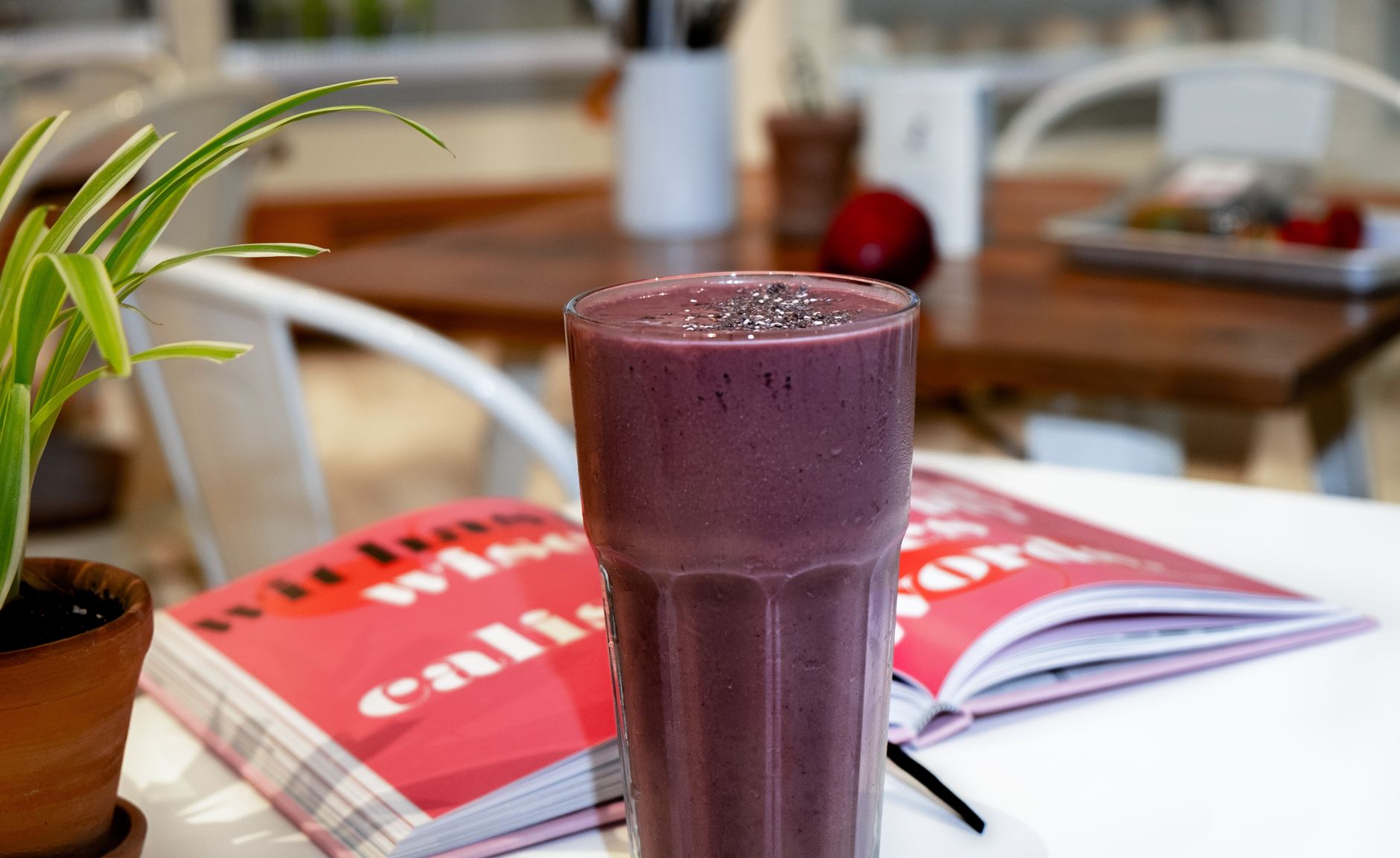
Calm Cocoa Tofu Rice Protein Smoothie
This creamy cocoa smoothie is designed for people on GLP-1 medications with low appetite, packing substantial protein and calories into a small, easy-to-sip portion. Silken tofu, cocoa, and cooked brown rice create a gentle texture that’s easy on the stomach while providing steady energy and muscle-supporting protein.
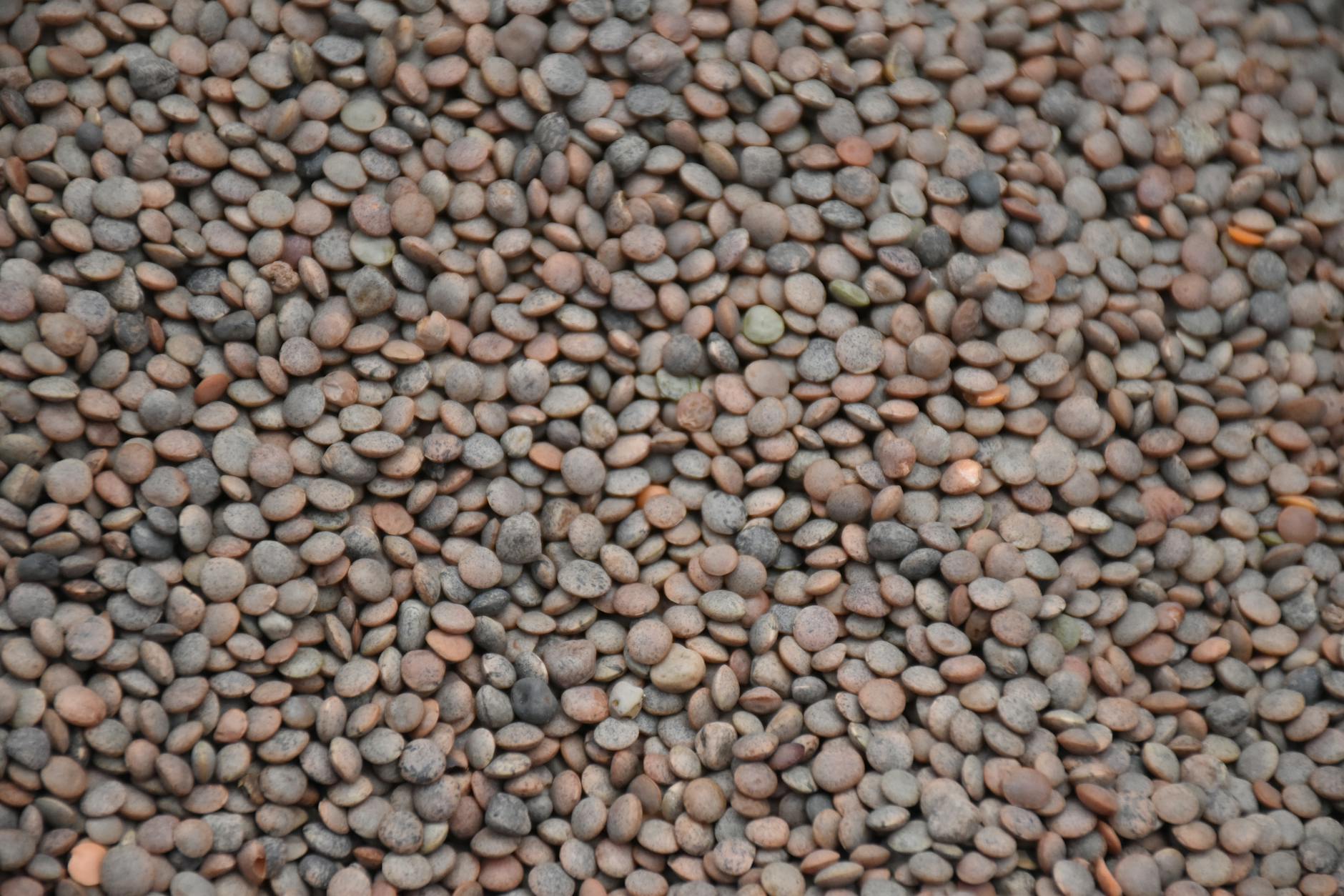
Cinnamon Cocoa Lentil Protein Smoothie
This cinnamon-warm cocoa smoothie is designed for GLP-1 users with low appetite, packing a lot of protein and nutrients into a small, sippable portion. Using soft red lentils and protein powder, it’s gentle on the stomach, mild in aroma, and easy to finish even when you don’t feel like eating much.