What to Eat on Mounjaro
Mounjaro (tirzepatide) targets both GIP and GLP-1 receptors — making it more powerful than semaglutide alone, but also more demanding on your diet. This guide covers exactly what to eat, what to avoid, and how to stay nourished when appetite almost disappears.
How Mounjaro affects your diet
Mounjaro (tirzepatide) is manufactured by Eli Lilly and approved for type 2 diabetes management. Unlike semaglutide medications (Ozempic, Wegovy, Rybelsus), tirzepatide activates two incretin hormone receptors — GIP and GLP-1. This dual mechanism produces stronger appetite suppression and faster weight loss, but also unique dietary challenges.
| What Mounjaro does | Dietary implication |
|---|---|
| Activates GLP-1 receptors (slows gastric emptying) | Small portions; avoid fat and fibre on bad days |
| Activates GIP receptors (amplifies satiety signals) | Appetite suppression is more sustained than semaglutide alone |
| Stronger appetite suppression | Intentional eating required — don't wait for hunger cues |
| Faster weight loss trajectory | Higher protein intake matters during faster weight loss |
What to eat on Mounjaro
Protein first — always
Mounjaro can suppress appetite so strongly that users go entire days eating very little. The primary nutritional risk is muscle loss from inadequate protein. Target 25–30g of protein per meal, even when appetite is minimal. Protein-dense foods that are easy to eat in small amounts:
- Greek yogurt (0% or 2% fat) — 17–20g protein per 170g pot, cold and easy to eat
- Cottage cheese — high protein, mild flavour, can be eaten in small spoonfuls
- Eggs (scrambled soft or poached) — quick, versatile, easy to digest
- Poached or baked chicken breast — clean protein, no fat to slow digestion
- White fish (cod, tilapia, sole) — very low fat, high protein, mild smell
- Edamame and tofu — plant-based options that pack protein into small portions
Easy carbohydrates for energy
With gastric emptying slowed by Mounjaro, high-fibre carbs can sit in the stomach and worsen nausea. On bad days, stick to rapid-digest carbohydrates:
- White rice (plain, well-cooked) — classic BRAT diet staple, easy to digest
- Plain crackers or water crackers
- Cooked oats or congee (rice porridge) — mild and well-tolerated
- White bread or sourdough toast (plain)
- Bananas (ripe) and applesauce
Ginger — a common choice on queasy days
Ginger is a common choice on queasy days, and some people find it easier to tolerate during dose escalation. It's a food, not a remedy — if nausea is severe or won't settle, check with your healthcare team. Ways people include it:
- Fresh ginger grated into broth or tea
- Ginger tea (keep bags at your desk and bedside)
- Crystallised ginger as a snack between meals
- Ginger chews (widely available at pharmacies)
Cold and chilled foods
Many Mounjaro users find they tolerate cold food far better than hot. Cold food releases fewer volatile aromas — a significant nausea trigger. Try: cold Greek yogurt, chilled plain rice, cold poached chicken in small pieces, cucumber slices with cottage cheese dip.
What to avoid on Mounjaro
The five main triggers: Fried food, high-fat meals, spicy food, alcohol, and strong-smelling food. These consistently worsen Mounjaro side effects — especially in the first 3 months and after dose increases.
Fatty and fried food: Higher-fat food tends to leave the stomach more slowly — and Mounjaro already slows this — so many people find fatty meals bring on more nausea and fullness. Many people limit deep-fried food, creamy sauces, and butter-heavy dishes.
Spicy food: Capsaicin irritates the gastric lining and triggers the vomiting reflex. Even small amounts of hot sauce or chilli can trigger vomiting in the first weeks on Mounjaro.
Alcohol: Worsens nausea, dehydration, and dizziness — all common Mounjaro side effects. Many Mounjaro users also report that their alcohol tolerance drops significantly on tirzepatide.
Large portions: The most predictable trigger. The stomach simply cannot process a full-size meal at normal speed on Mounjaro. Use a small plate. Take 5–6 bites, pause, and assess fullness before continuing.
Carbonated drinks: Bubbles worsen bloating, which is already common as gastric emptying slows. Switch from sparkling water to still.
Mounjaro diet FAQs
What should I eat on Mounjaro?
On Mounjaro, focus on high-protein, easy-to-digest foods in small portions. Lean proteins (chicken, fish, eggs, Greek yogurt), plain carbohydrates (white rice, oats, plain crackers), and ginger-based foods are best tolerated. Avoid fried food, fatty meals, alcohol, and large portions. Because Mounjaro (tirzepatide) acts on both GIP and GLP-1 receptors, appetite suppression and gastric slowing can be more pronounced than with semaglutide-only medications.
How is Mounjaro different from Ozempic for diet?
Mounjaro (tirzepatide) is a dual GIP/GLP-1 agonist, while Ozempic (semaglutide) targets GLP-1 alone. In practice, Mounjaro users often experience stronger appetite suppression and faster weight loss. The dietary approach is similar — small portions, high protein, low fat — but the appetite suppression on Mounjaro can be so strong that users need to be more intentional about eating enough protein and calories.
What foods make Mounjaro nausea worse?
Foods many people find make Mounjaro nausea worse include: fatty or fried foods (higher-fat food tends to leave the stomach more slowly, and Mounjaro already slows this), spicy food, strong-smelling foods (garlic, onions, fermented fish), alcohol, carbonated drinks, and large portions. Many Mounjaro users are more sensitive to smell than Ozempic users — cold and chilled foods often cause less nausea than hot food.
Should I eat before or after my Mounjaro injection?
Many people inject Mounjaro in the evening before bed to sleep through the worst nausea window (12–48 hours post-injection). If you inject during the day, eat a small, bland meal beforehand — a plain cracker with some protein — and stick to very gentle, low-fat foods for the first 24 hours. Avoid large meals immediately after injecting.
How much should I eat on Mounjaro?
Mounjaro's appetite suppression is strong enough that many users struggle to eat enough. Aim for 3 small, protein-rich meals per day rather than trying to eat large amounts. Target 80–100g of protein daily — use protein-dense, easy-to-eat foods like Greek yogurt, cottage cheese, eggs, and white fish. Even when appetite is essentially zero, try to eat something with protein every 4–5 hours.
Top-rated recipes
Sorted by overall GLP-1 tolerance score — highest rated are best for Mounjaro side effects.
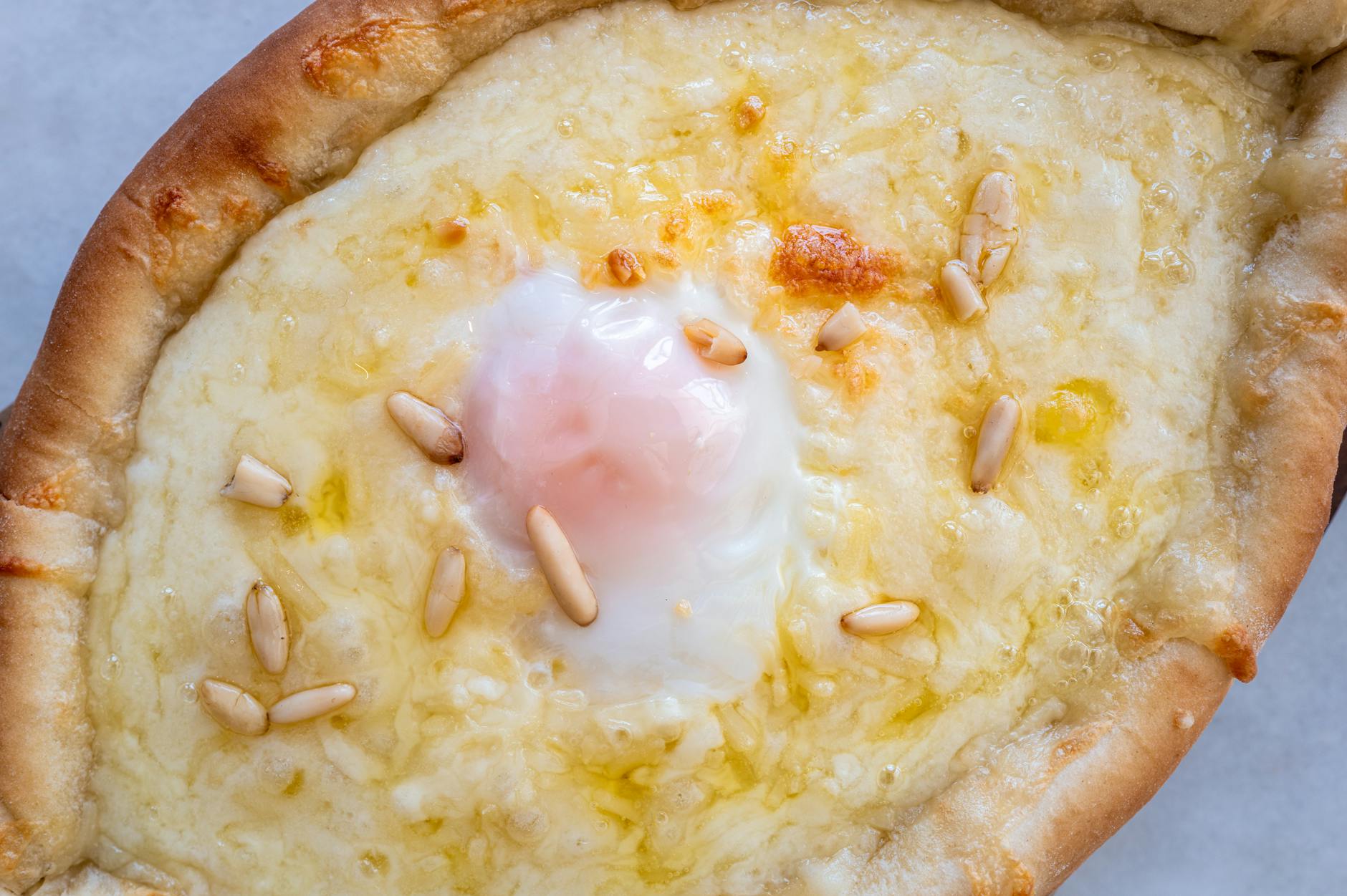
Soft Savory Egg & Cottage Cheese Mini Bake
This soft, mild mini egg bake is designed for GLP-1 users with very low appetite, providing a small but nutrient-dense breakfast that’s easy to get down in a few bites. High-quality protein from eggs and cottage cheese supports muscle maintenance even when portions are tiny, and the gentle flavors help avoid taste fatigue or nausea.
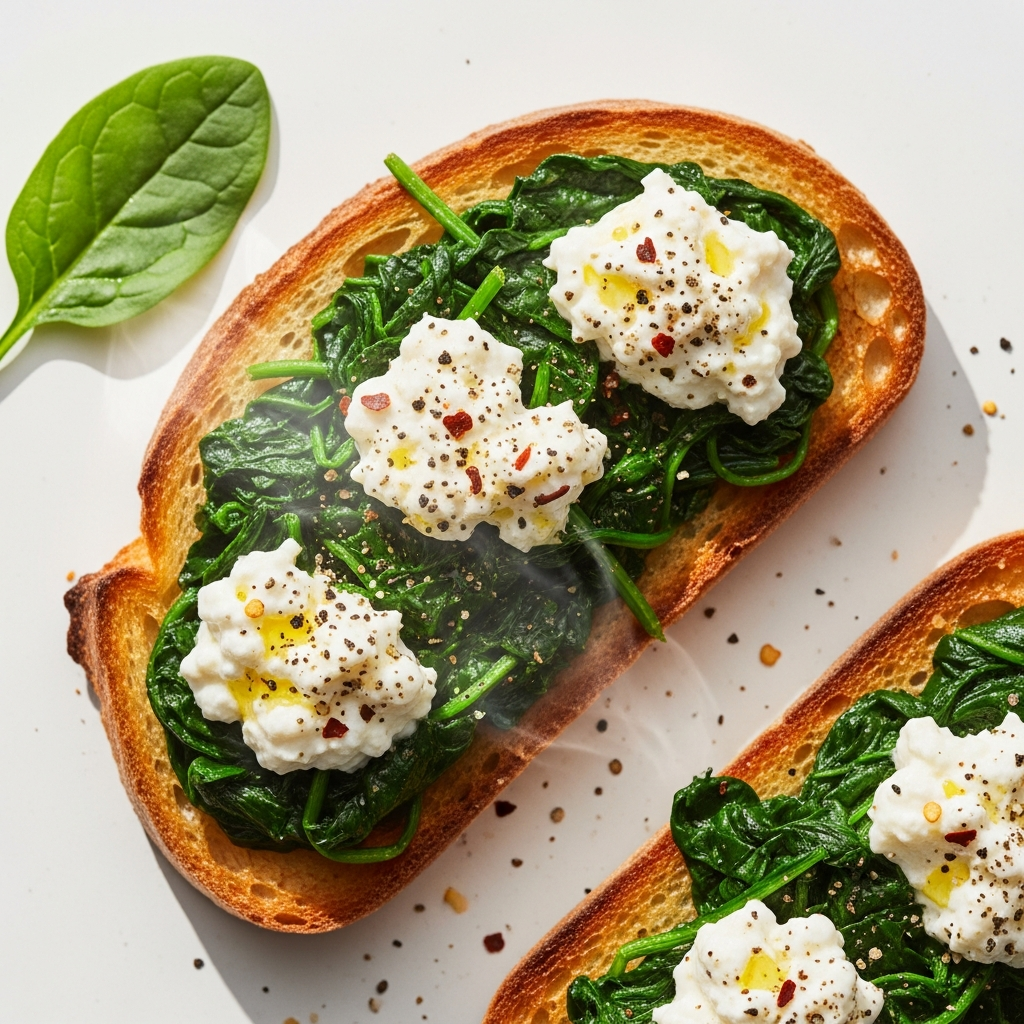
Spinach & Ricotta Breakfast Toast
Spinach & Ricotta Breakfast Toast is a dietician-designed breakfast built around wholegrain sourdough, reduced-fat ricotta and large egg. It's made for GLP-1 medication users managing fatigue, with protein kept high and portions sized for a smaller appetite.
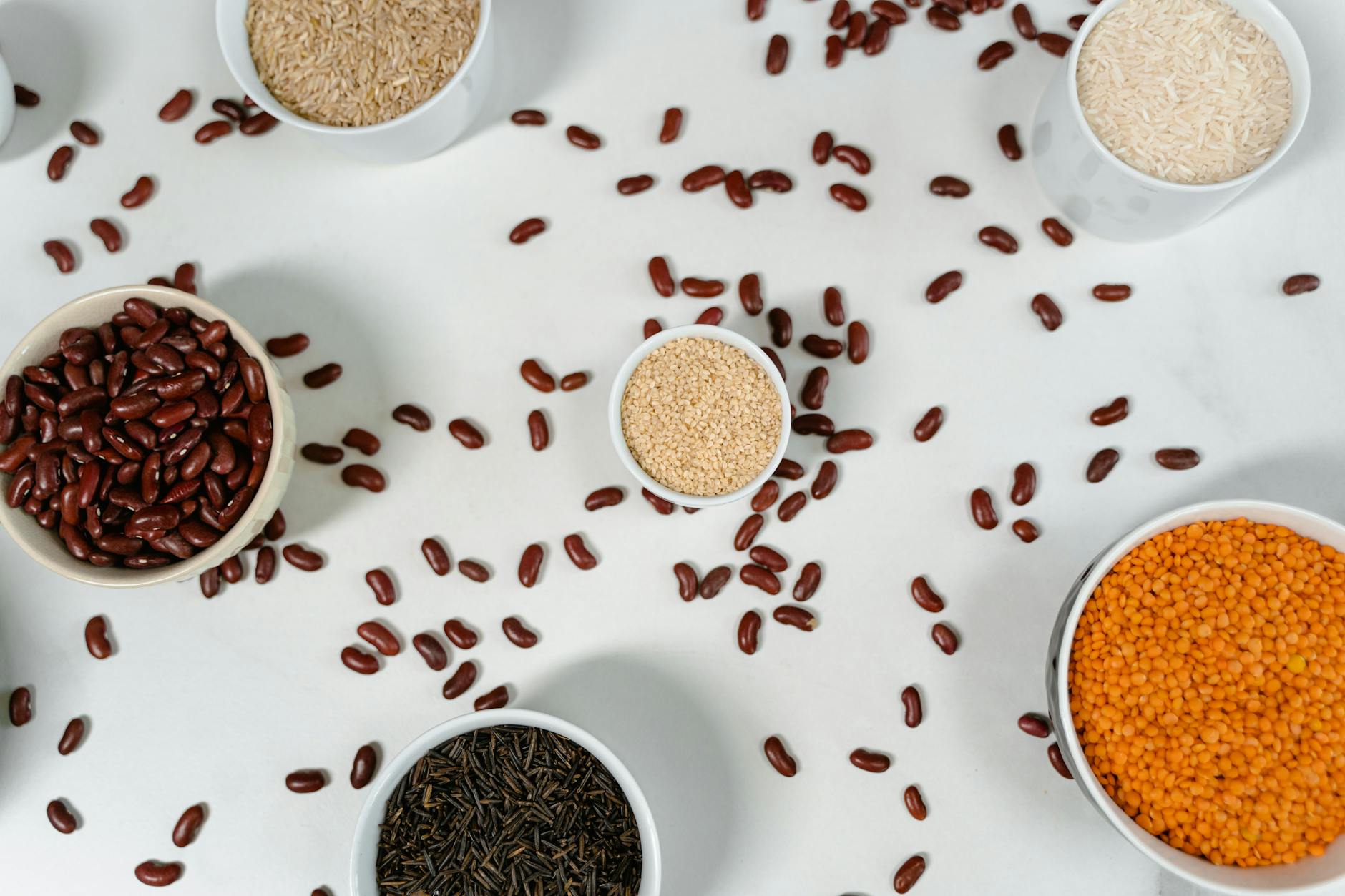
Ginger Rice Protein Custard Cups
A gentle, lightly sweet snack designed for people on GLP-1 medications, combining soft rice with a silky, high-protein custard. The mild flavor, warm ginger, and low-fat profile help soothe nausea while still providing concentrated protein and easy-to-digest carbs in a small portion.
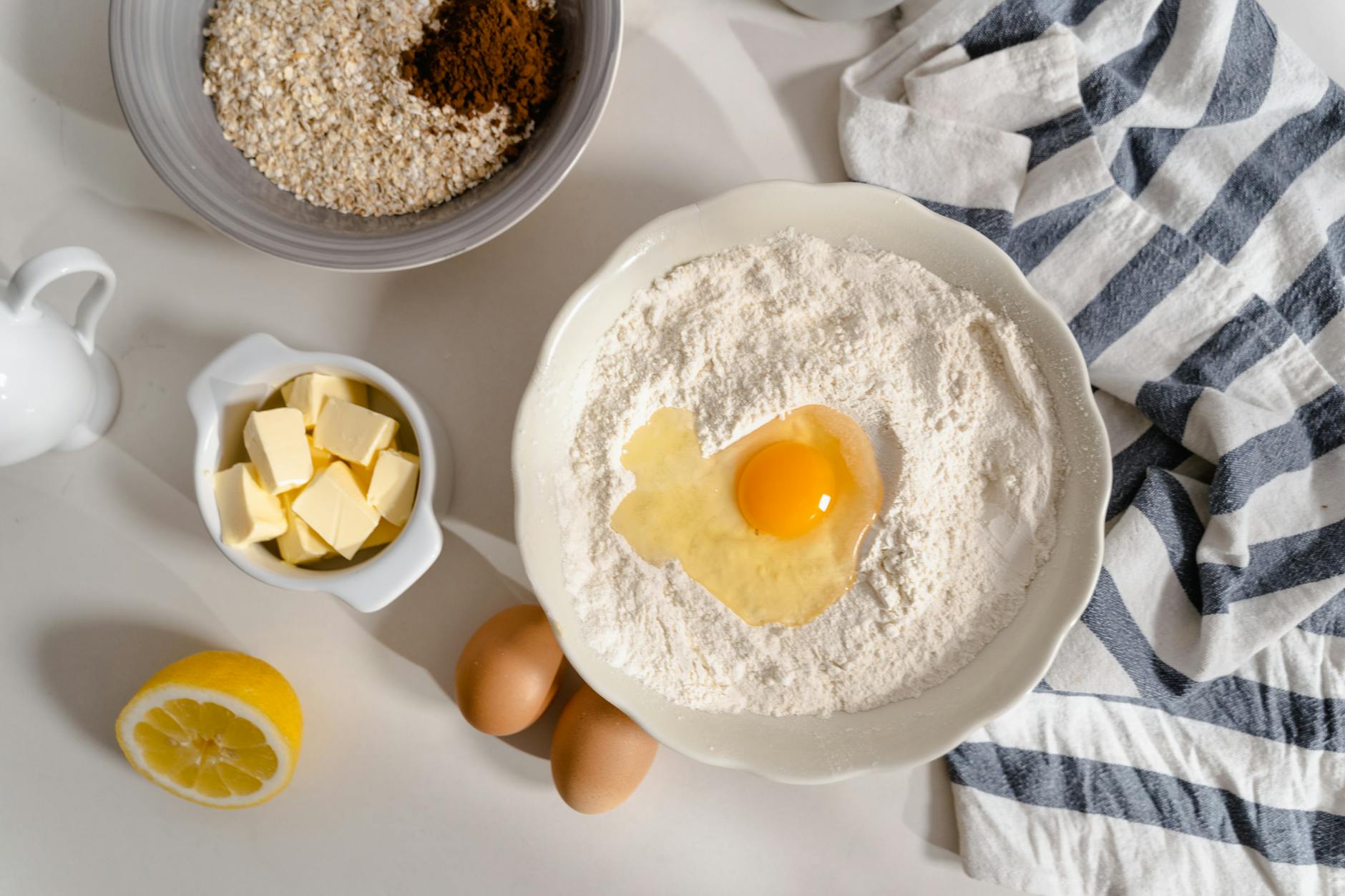
Gentle Ginger Egg White Oats
High-protein breakfast for GLP-1 nausea, built around rolled oats, liquid egg whites and water — sized for a smaller appetite.
Build a day of meals that suits you right now
Two quick questions and we’ll put together a day of meals from our recipe library.
Step 1 of 3
Please pick one so we know where to start.
Step 2 of 3
Pescatarian plus excluding both fish and shellfish doesn't leave anything to build from — pick one or the other.
Step 3 of 3
We will use this to send your day
We'll email you this day as a PDF, plus a quick intro to Food Signals and our current offer.
Please enter a valid email address.
Food Signals
Your day of meals
Daily Clinical Targets
Dietitian's Note
A lot to work around.
We've built this day inside everything you told us. With this many things to avoid — and a smaller appetite on top — it's worth talking it through with a dietitian who can look at the whole picture with you, especially around protein.
Missing something you'd like to see? Tell us what you'd cook and we'll add recipes that fit.
Thanks — we've got it.
We've emailed an intro to Food Signals, an overview of what it does, and our current offer — with your plan attached as a PDF.
Save this day?
We'll save this day as your first plan in Food Signals — then come back any time to build the rest of the week, a shopping list, and somewhere to note how meals actually went. Your first 30 days are free, and early-access members get 50% off for the first 12 months when paid plans launch. No card needed.
This creates your Food Signals account. We never share your email, and you can delete your account any time. Read our privacy policy → Consumer Health Data Privacy Policy
You're in — welcome!
Taking you straight into the app…
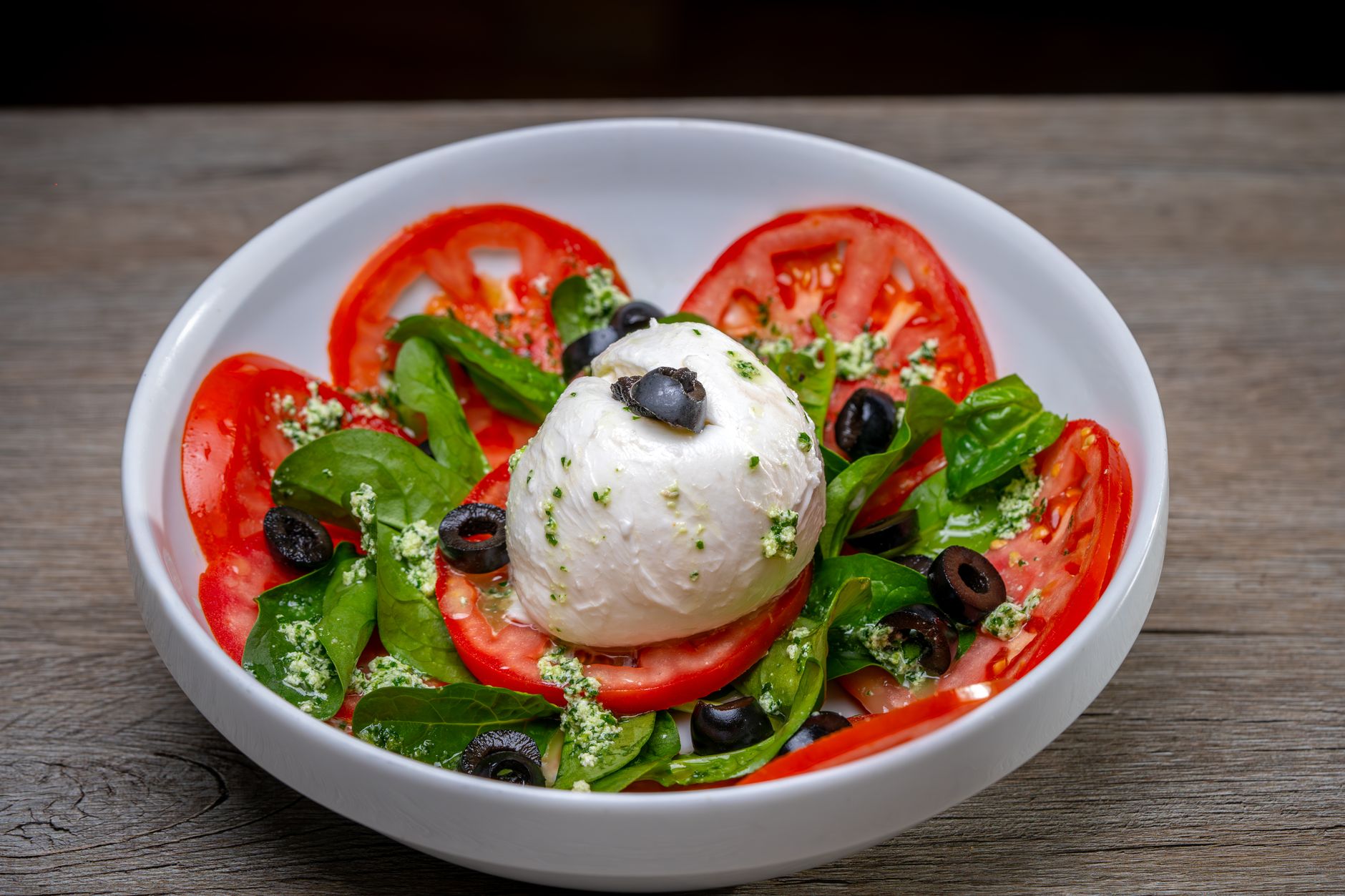
Caprese Cottage Cheese Bowl
Caprese Cottage Cheese Bowl is a dietician-designed snack built around light cottage cheese, cherry tomatoes and fresh basil leaves. It's made for GLP-1 medication users managing fatigue, with protein kept high and portions sized for a smaller appetite.
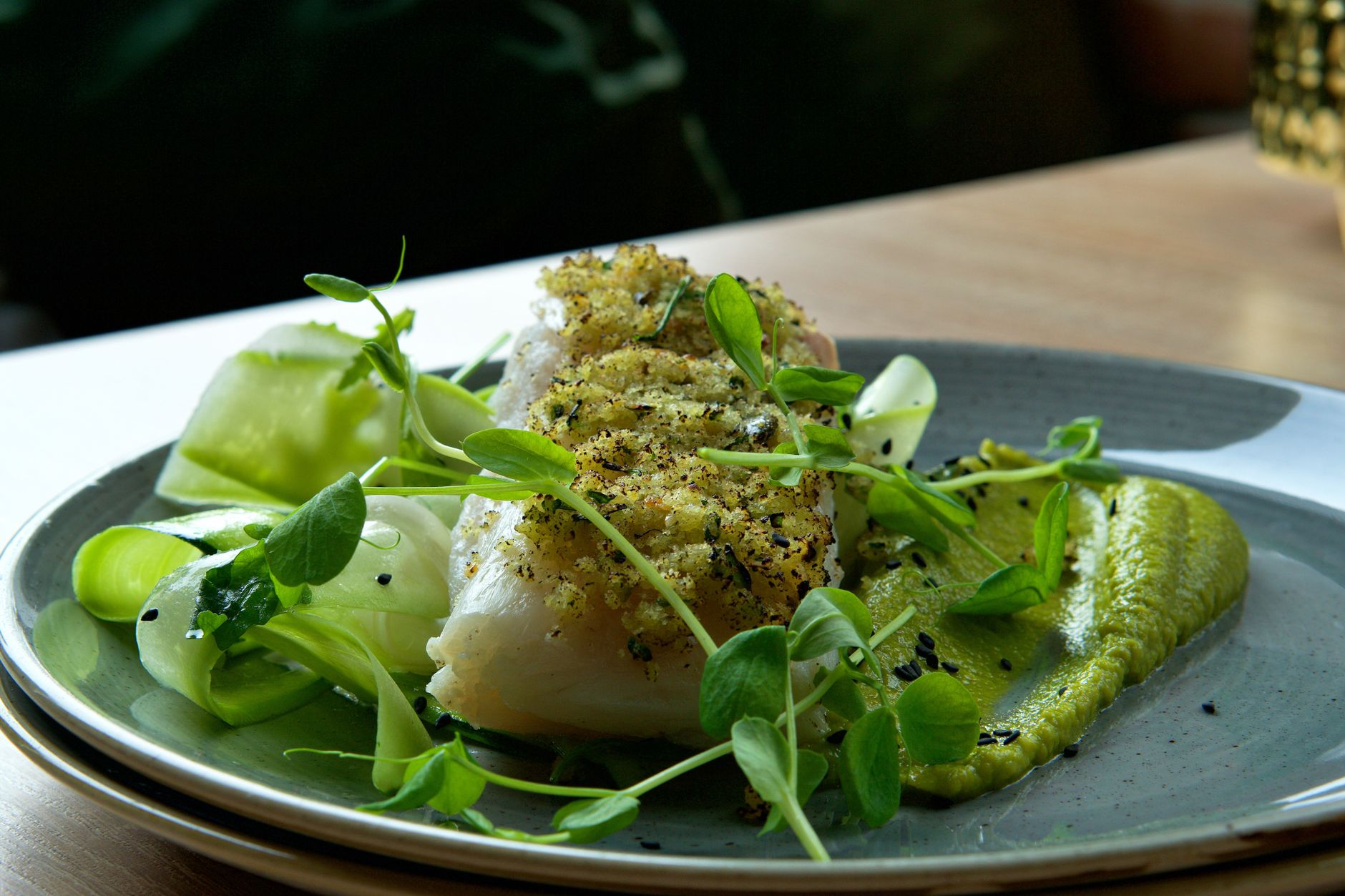
Herb Baked Cod with Soft Brown Rice and Zucchini
This gentle Mediterranean-style cod dinner is designed for GLP-1 users with bloating, using low-fat fish, soft-cooked brown rice, and tender zucchini to keep digestion easy. Mild herbs add flavor without heavy seasoning or gas-forming ingredients, while the high protein and small portion size support nutrition when appetite is low.
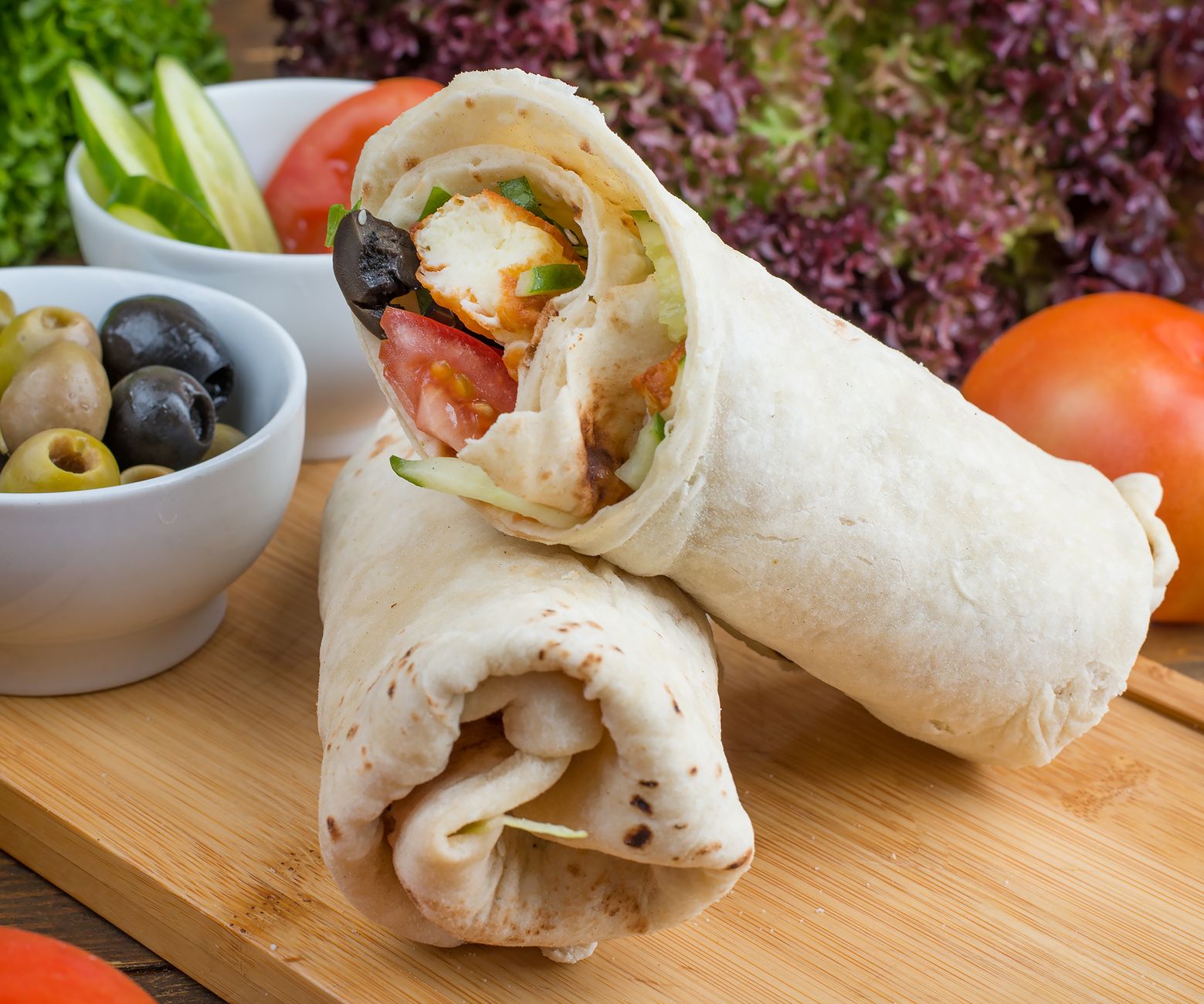
Mediterranean Turkey Pinwheels
Mediterranean Turkey Pinwheels is a dietician-designed snack built around sliced roast turkey breast, small wholegrain tortilla and reduced-fat cream cheese. It's made for GLP-1 medication users managing fatigue, with protein kept high and portions sized for a smaller appetite.
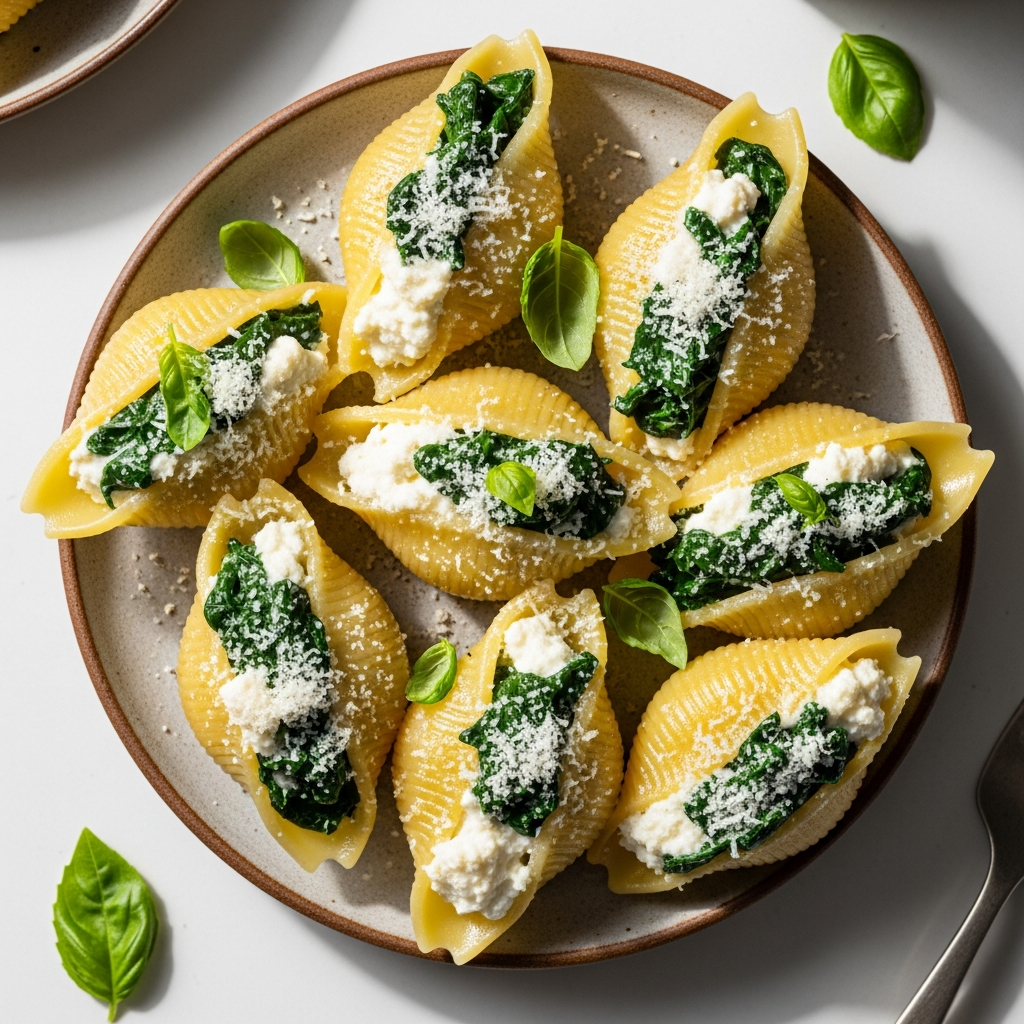
Ricotta Spinach Pasta
Ricotta Spinach Pasta is a dietician-designed dinner built around cooked high-protein pasta, reduced-fat ricotta and baby spinach. It's made for GLP-1 medication users managing fatigue, with protein kept high and portions sized for a smaller appetite.
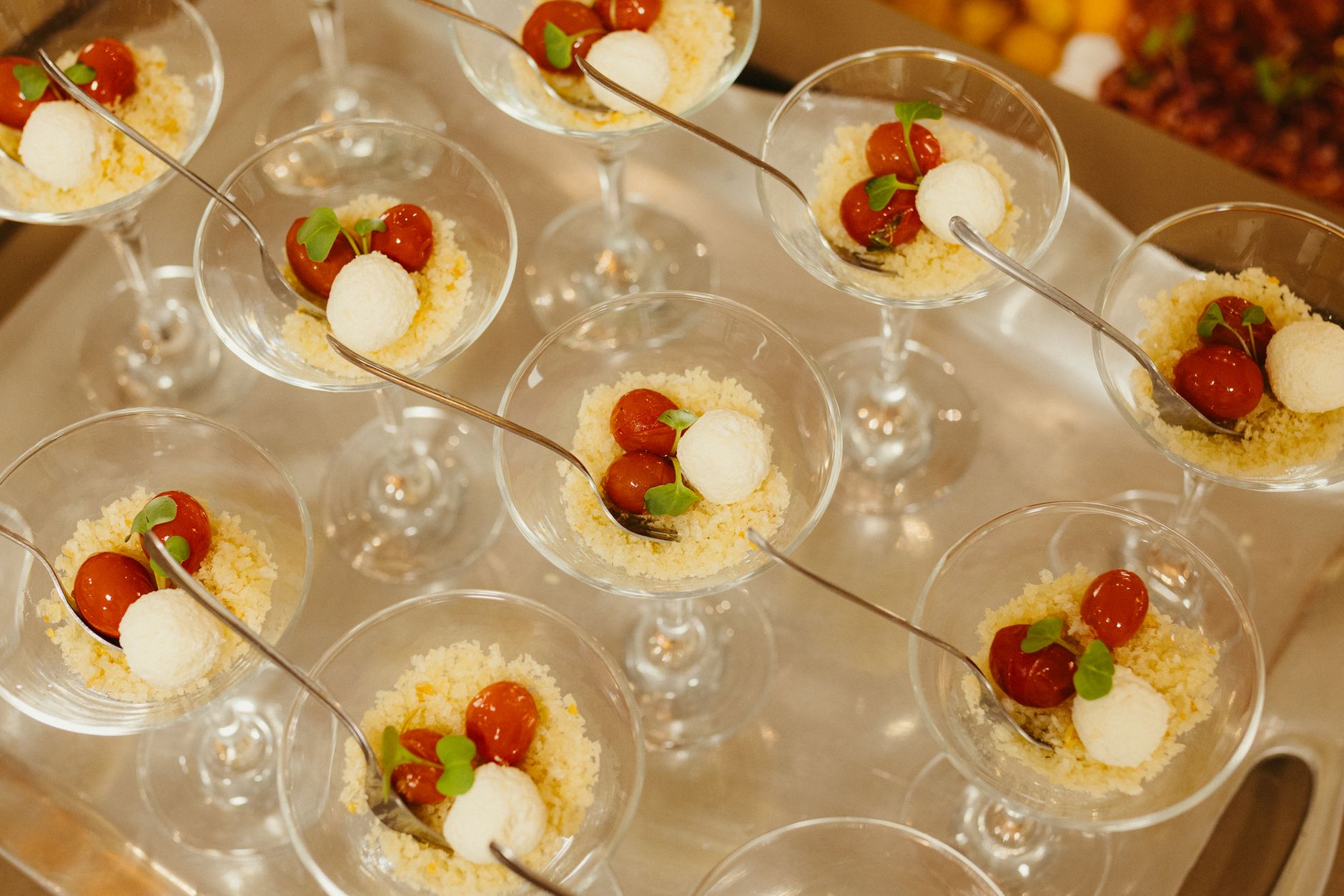
Calming Cinnamon Fish & Couscous Snack Cups
These mild, soft couscous snack cups pair gentle white fish with warm cinnamon and herbs for a reflux-friendly, high-protein bite. The low-fat, low-acid ingredients and small portion size are tailored for GLP-1 users, supporting easier digestion and steady energy despite reduced appetite.
On Zepbound instead?
Zepbound contains the same active ingredient as Mounjaro (tirzepatide) but is approved specifically for weight loss rather than diabetes management. All dietary guidance here applies equally to Zepbound.
Zepbound Diet Guide →