What to Eat on Semaglutide
Starting semaglutide (Ozempic or Wegovy) changes your relationship with food. Appetite drops, digestion slows, and some foods that were previously fine suddenly trigger nausea or bloating. This is the complete guide to eating well on semaglutide.
How semaglutide changes your diet
Semaglutide (the active ingredient in Ozempic and Wegovy) works by mimicking GLP-1, a hormone naturally released after eating. It does several things that directly affect what and how you eat:
| What semaglutide does | Dietary implication |
|---|---|
| Slows gastric emptying (food leaves stomach more slowly) | Smaller portions; avoid high-fat foods that further slow emptying |
| Suppresses appetite hormones | You may feel full after 5–6 bites; eating to previous portion sizes causes nausea |
| Reduces food reward signals in the brain | Many users report reduced cravings for sugar, alcohol, and ultra-processed food |
| Modulates blood sugar response | Avoid rapid blood sugar spikes from refined carbs and sugar |
| Increases insulin sensitivity | Balanced meals with protein + complex carbs + veg become more effective |
The four rules of eating on semaglutide
- Protein first, always. When appetite is suppressed and you can only eat a small amount, that amount must be protein-dense. Aim for 20–30g protein per meal. Eat the protein component of your meal before anything else.
- Portions are now half (or less). Your previous portion sizes are likely too large. Use a side plate instead of a dinner plate as a visual guide. Never force yourself to finish — eating past comfortable fullness will trigger nausea.
- Low fat on nausea days. Fat dramatically slows gastric emptying further. On injection day and the day after, remove all added fat from meals: no butter, no oil, no cream, no full-fat dairy.
- Eat regularly even without hunger. You may have zero appetite some days. But skipping meals entirely leads to under-eating protein and can cause hypoglycaemia in diabetic patients. Small planned meals every 3–4 hours are better than nothing.
What a day of eating looks like on semaglutide
- 8am: Small breakfast — 150g Greek yogurt or 2 scrambled eggs (15–20g protein, ~150 cal)
- 11am: Optional protein snack — cottage cheese or a hard-boiled egg (10–15g protein)
- 1pm: Small lunch — poached chicken with plain rice or a small bowl of soup with protein (~25g protein, ~280 cal)
- 4pm: Optional snack — edamame or Greek yogurt (10–15g protein)
- 7pm: Dinner — baked fish or chicken with steamed vegetables and a small amount of starch (~30g protein, ~350 cal)
- Total: ~100–120g protein, ~1,100–1,400 kcal — achievable even with significantly reduced appetite
Foods that work particularly well on semaglutide
- Greek yogurt (0% fat): High protein, cold (anti-nausea), smooth, easy to eat even when nauseated
- Poached or baked chicken breast: Clean protein, bland, no fat to slow digestion
- Miso soup: Warm, easy to tolerate, provides sodium and probiotics, easy on the stomach
- Congee (rice porridge): Traditional Asian remedy for nausea, completely bland, can add egg for protein
- Ginger tea: Proven anti-nausea effect, can be drunk before and during meals
- Cold or chilled food: Fewer volatile aromas than hot food, often better tolerated during nausea
- Plain oats: Gentle soluble fibre that helps constipation (common on semaglutide) without bloating
- White fish (cod, haddock): Very low fat, high protein, quick to cook, mild flavour
Eating out on semaglutide
Restaurants are challenging — portions are huge and high-fat options dominate menus. Strategies:
- Ask for a starter portion of a main dish, or share a main with someone
- Choose grilled, baked, or steamed over fried — ask for sauces on the side
- Japanese and Vietnamese cuisine are generally the most semaglutide-compatible: plain rice, broth-based soups, steamed protein
- Avoid buffets — the variety triggers overeating that will cause immediate nausea on semaglutide
- Order sparkling water? Switch to still — carbonation worsens bloating on semaglutide
Best meals for semaglutide users
Highest overall GLP-1 tolerance — these are the meals that work best across all side effects.
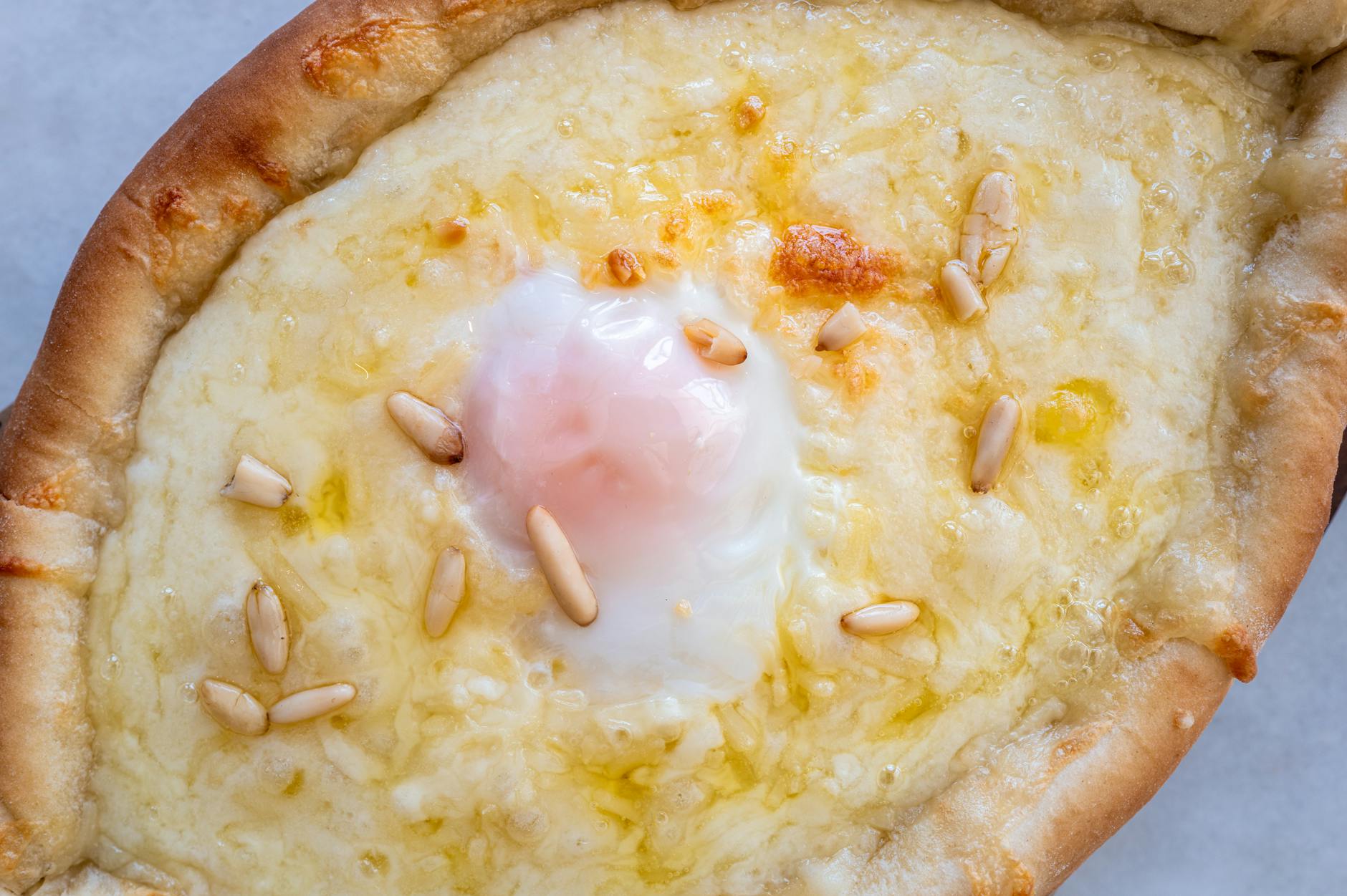
Soft Savory Egg & Cottage Cheese Mini Bake
This soft, mild mini egg bake is designed for GLP-1 users with very low appetite, providing a small but nutrient-dense breakfast that’s easy to get down in a few bites. High-quality protein from eggs and cottage cheese supports muscle maintenance even when portions are tiny, and the gentle flavors help avoid taste fatigue or nausea.
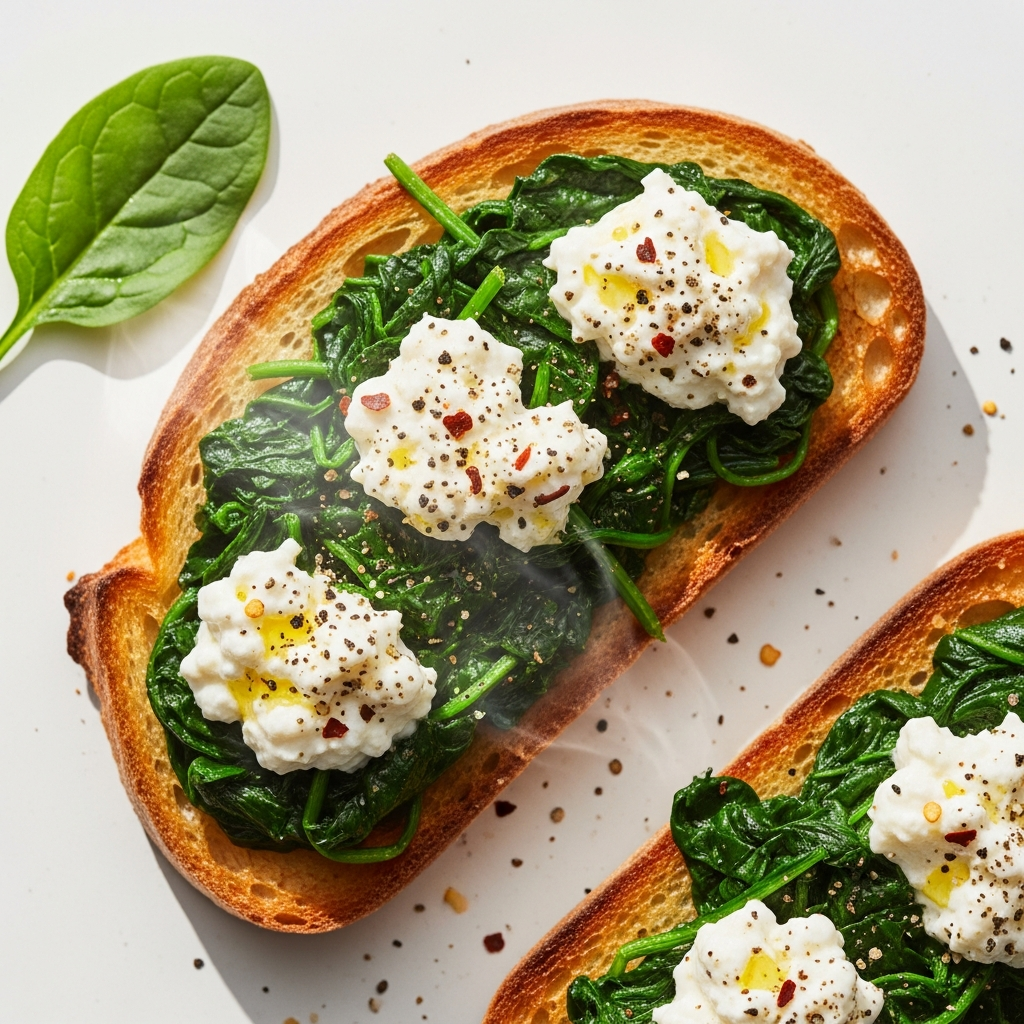
Spinach & Ricotta Breakfast Toast
Spinach & Ricotta Breakfast Toast is a dietician-designed breakfast built around wholegrain sourdough, reduced-fat ricotta and large egg. It's made for GLP-1 medication users managing fatigue, with protein kept high and portions sized for a smaller appetite.
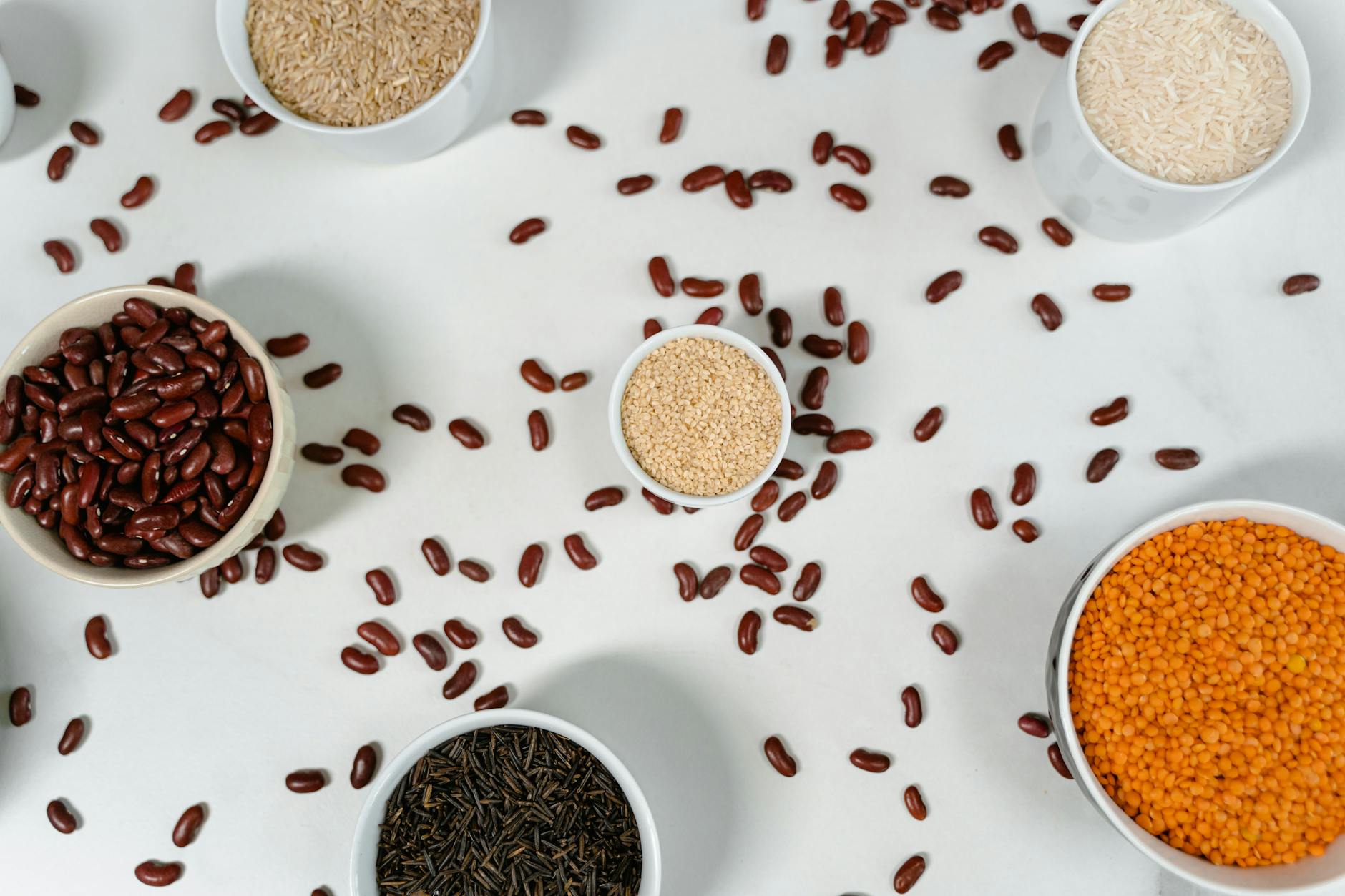
Ginger Rice Protein Custard Cups
A gentle, lightly sweet snack designed for people on GLP-1 medications, combining soft rice with a silky, high-protein custard. The mild flavor, warm ginger, and low-fat profile help soothe nausea while still providing concentrated protein and easy-to-digest carbs in a small portion.
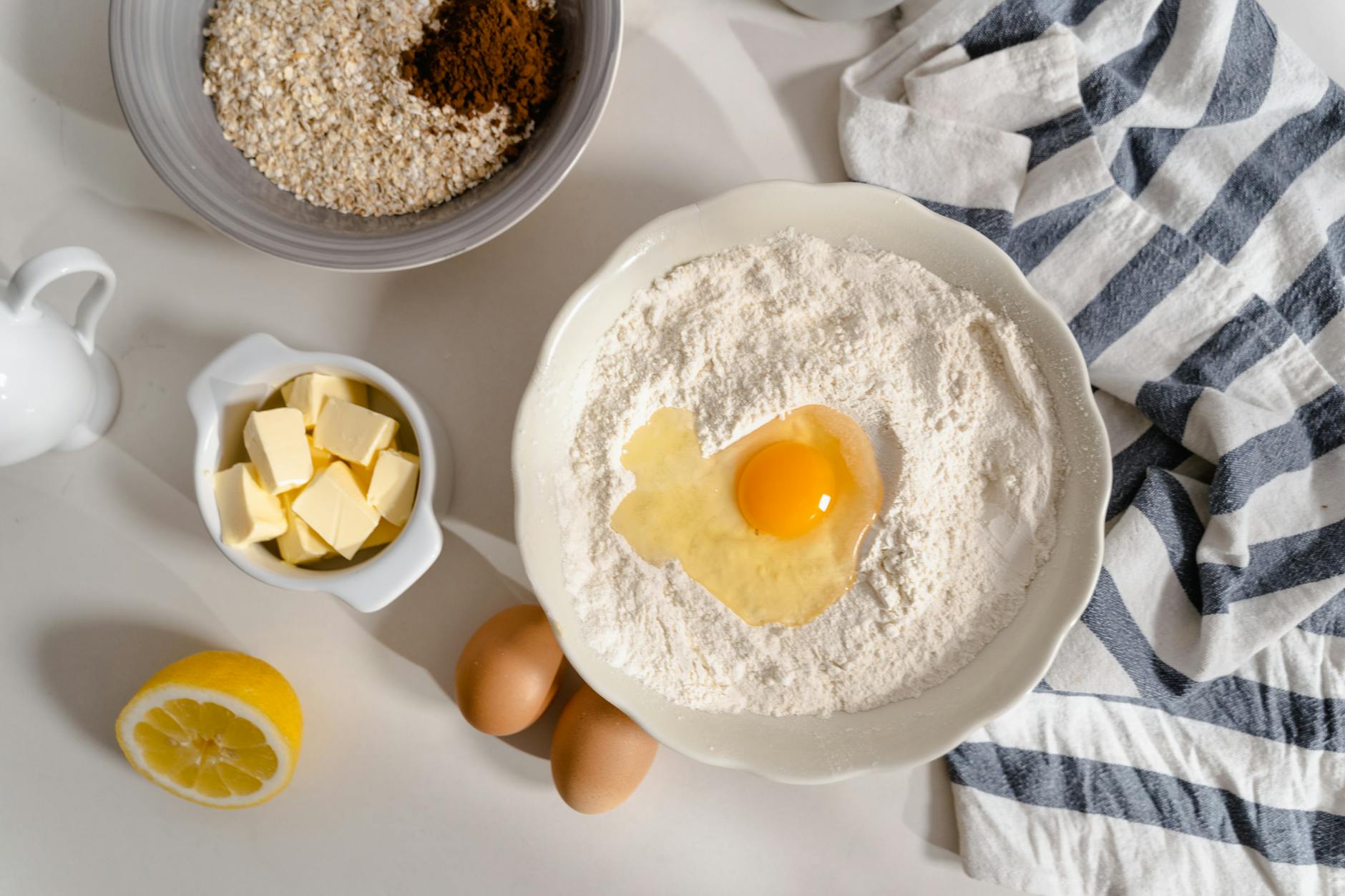
Gentle Ginger Egg White Oats
High-protein breakfast for GLP-1 nausea, built around rolled oats, liquid egg whites and water — sized for a smaller appetite.
Build a day of meals that suits you right now
Two quick questions and we’ll put together a day of meals from our recipe library.
Step 1 of 3
Please pick one so we know where to start.
Step 2 of 3
Pescatarian plus excluding both fish and shellfish doesn't leave anything to build from — pick one or the other.
Step 3 of 3
We will use this to send your day
We'll email you this day as a PDF, plus a quick intro to Food Signals and our current offer.
Please enter a valid email address.
Food Signals
Your day of meals
Daily Clinical Targets
Dietitian's Note
A lot to work around.
We've built this day inside everything you told us. With this many things to avoid — and a smaller appetite on top — it's worth talking it through with a dietitian who can look at the whole picture with you, especially around protein.
Missing something you'd like to see? Tell us what you'd cook and we'll add recipes that fit.
Thanks — we've got it.
We've emailed an intro to Food Signals, an overview of what it does, and our current offer — with your plan attached as a PDF.
Save this day?
We'll save this day as your first plan in Food Signals — then come back any time to build the rest of the week, a shopping list, and somewhere to note how meals actually went. Your first 30 days are free, and early-access members get 50% off for the first 12 months when paid plans launch. No card needed.
This creates your Food Signals account. We never share your email, and you can delete your account any time. Read our privacy policy → Consumer Health Data Privacy Policy
You're in — welcome!
Taking you straight into the app…
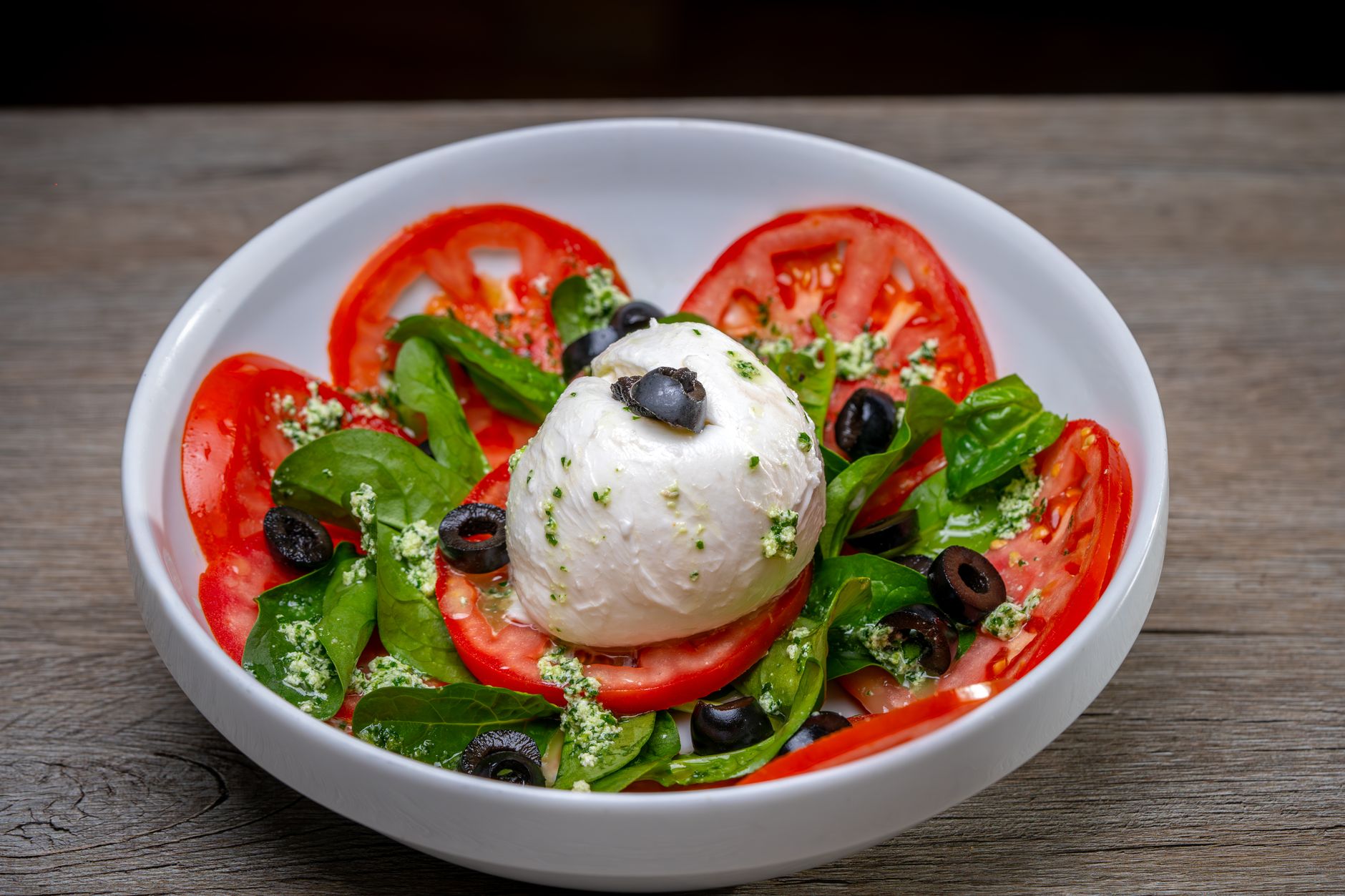
Caprese Cottage Cheese Bowl
Caprese Cottage Cheese Bowl is a dietician-designed snack built around light cottage cheese, cherry tomatoes and fresh basil leaves. It's made for GLP-1 medication users managing fatigue, with protein kept high and portions sized for a smaller appetite.
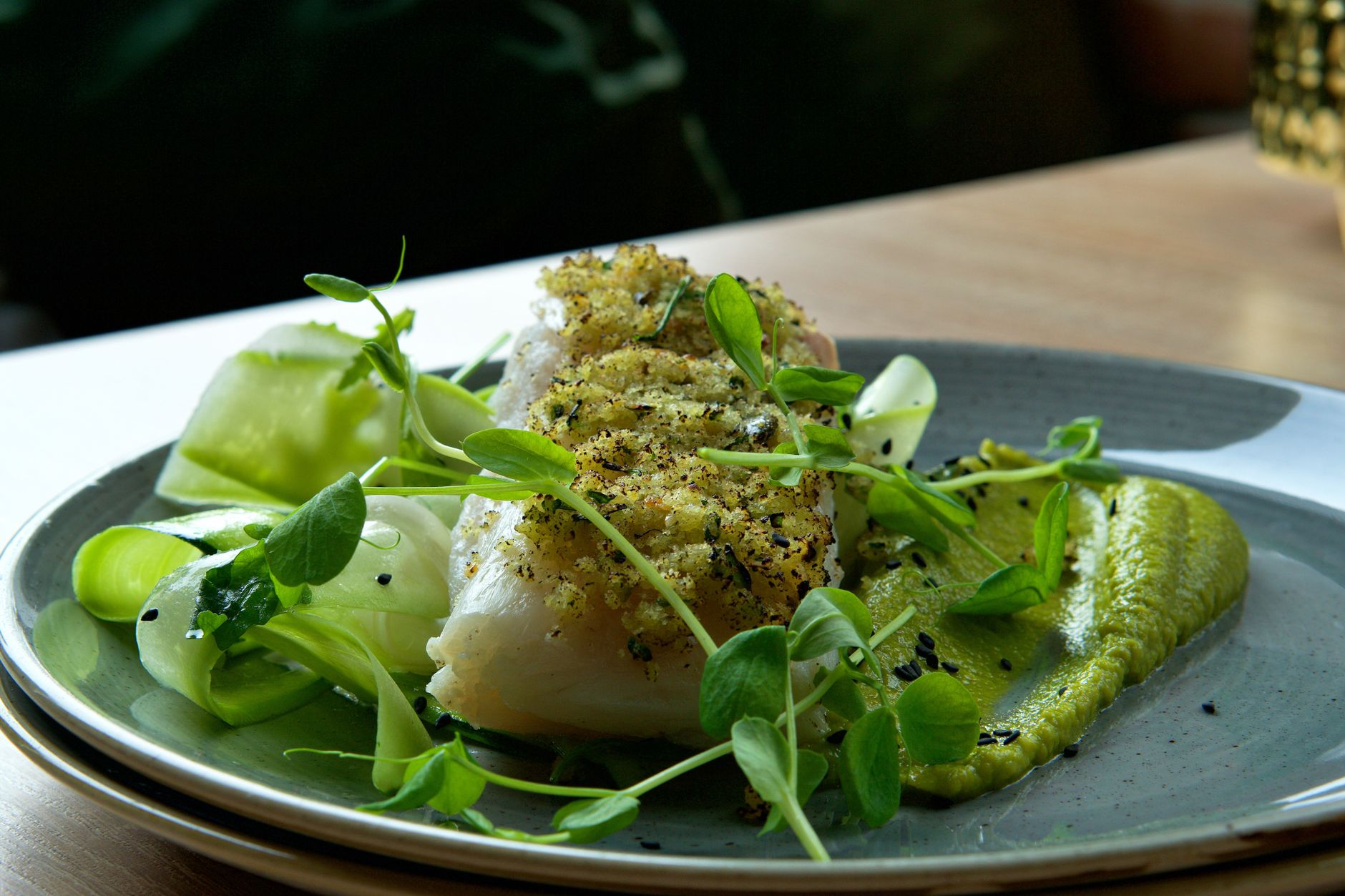
Herb Baked Cod with Soft Brown Rice and Zucchini
This gentle Mediterranean-style cod dinner is designed for GLP-1 users with bloating, using low-fat fish, soft-cooked brown rice, and tender zucchini to keep digestion easy. Mild herbs add flavor without heavy seasoning or gas-forming ingredients, while the high protein and small portion size support nutrition when appetite is low.
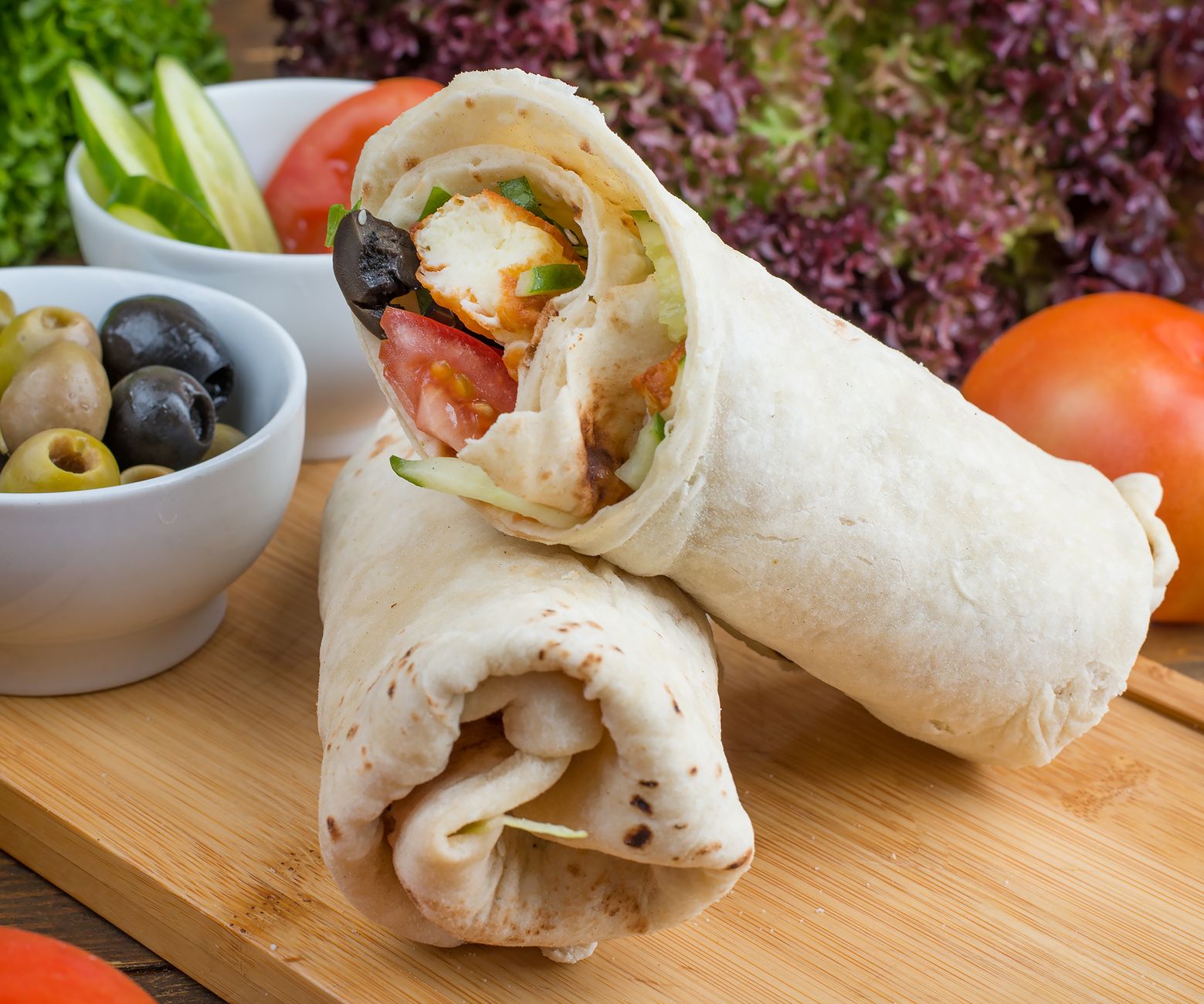
Mediterranean Turkey Pinwheels
Mediterranean Turkey Pinwheels is a dietician-designed snack built around sliced roast turkey breast, small wholegrain tortilla and reduced-fat cream cheese. It's made for GLP-1 medication users managing fatigue, with protein kept high and portions sized for a smaller appetite.
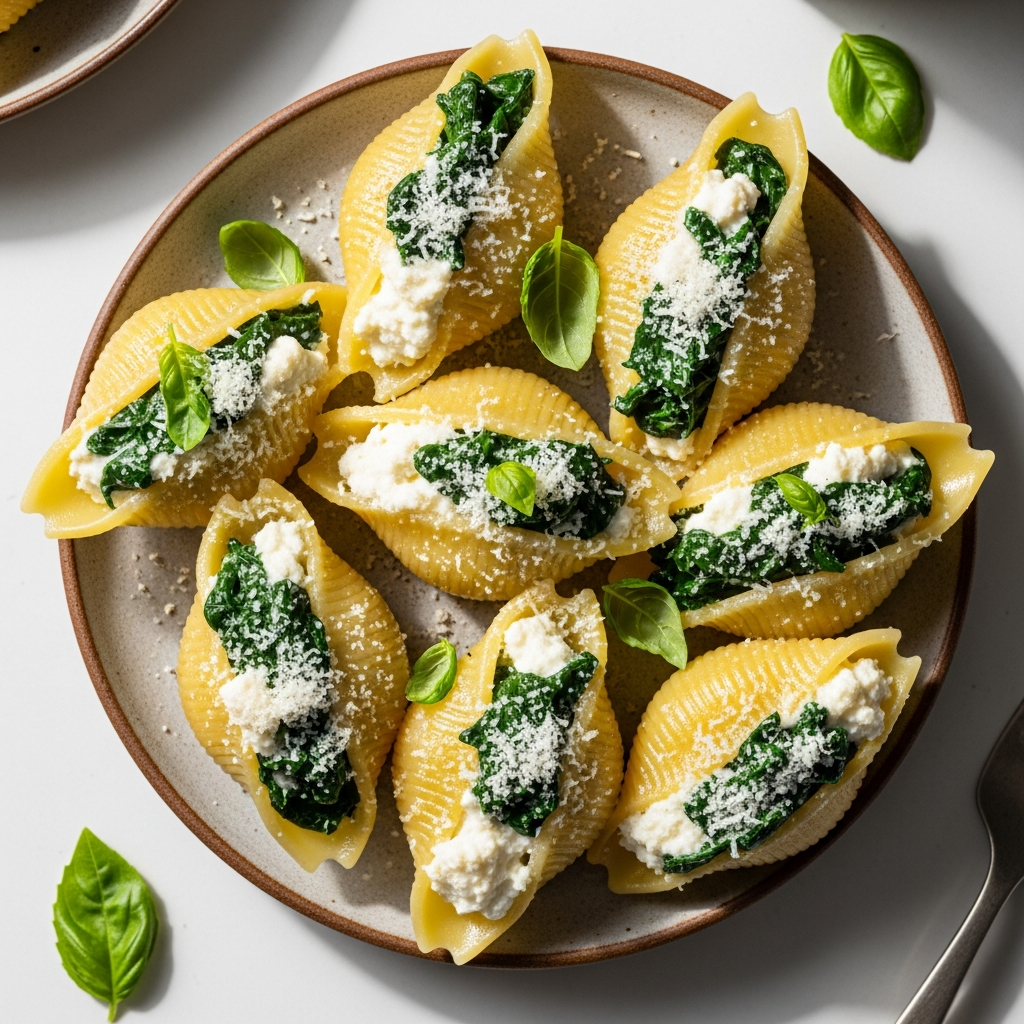
Ricotta Spinach Pasta
Ricotta Spinach Pasta is a dietician-designed dinner built around cooked high-protein pasta, reduced-fat ricotta and baby spinach. It's made for GLP-1 medication users managing fatigue, with protein kept high and portions sized for a smaller appetite.
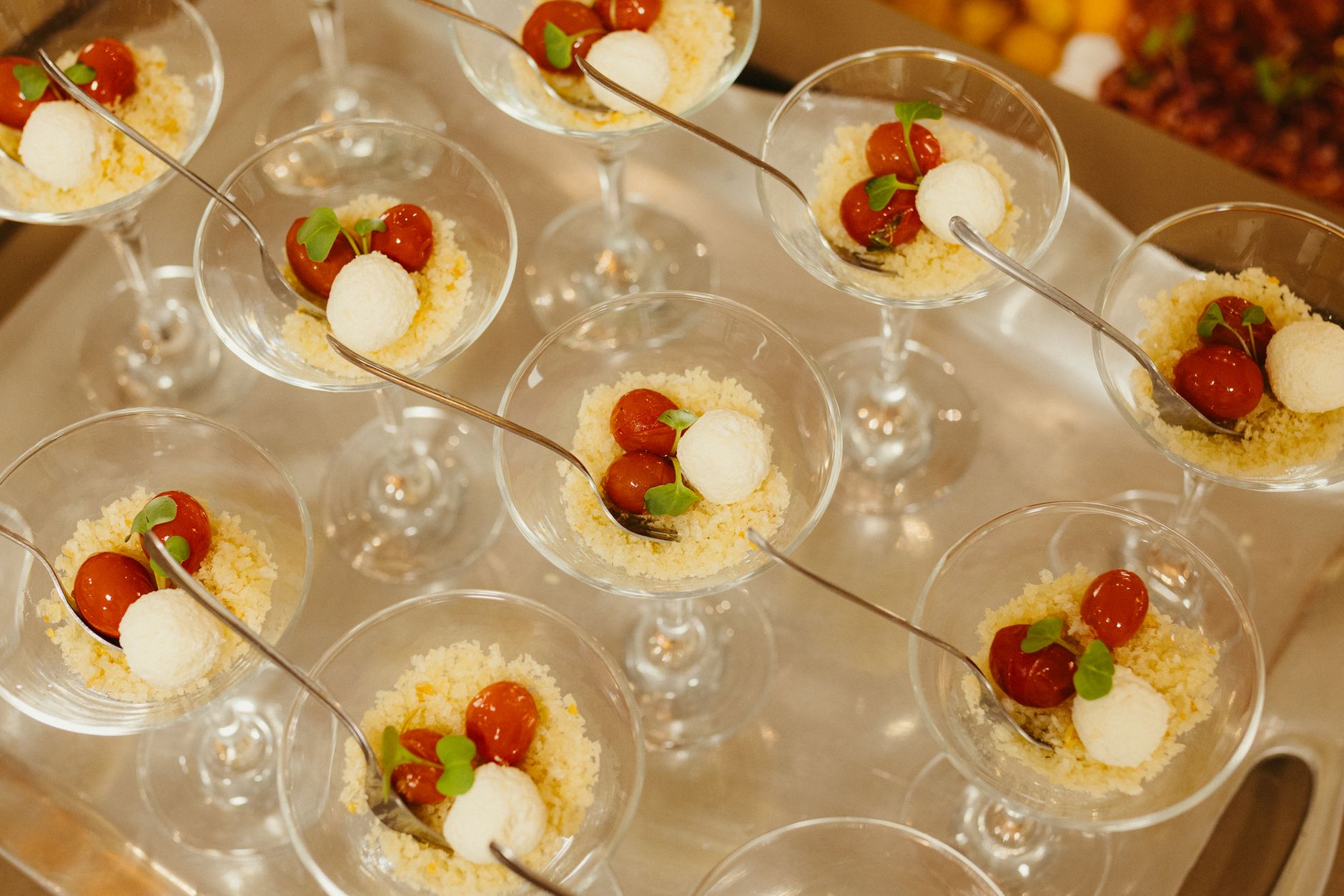
Calming Cinnamon Fish & Couscous Snack Cups
These mild, soft couscous snack cups pair gentle white fish with warm cinnamon and herbs for a reflux-friendly, high-protein bite. The low-fat, low-acid ingredients and small portion size are tailored for GLP-1 users, supporting easier digestion and steady energy despite reduced appetite.
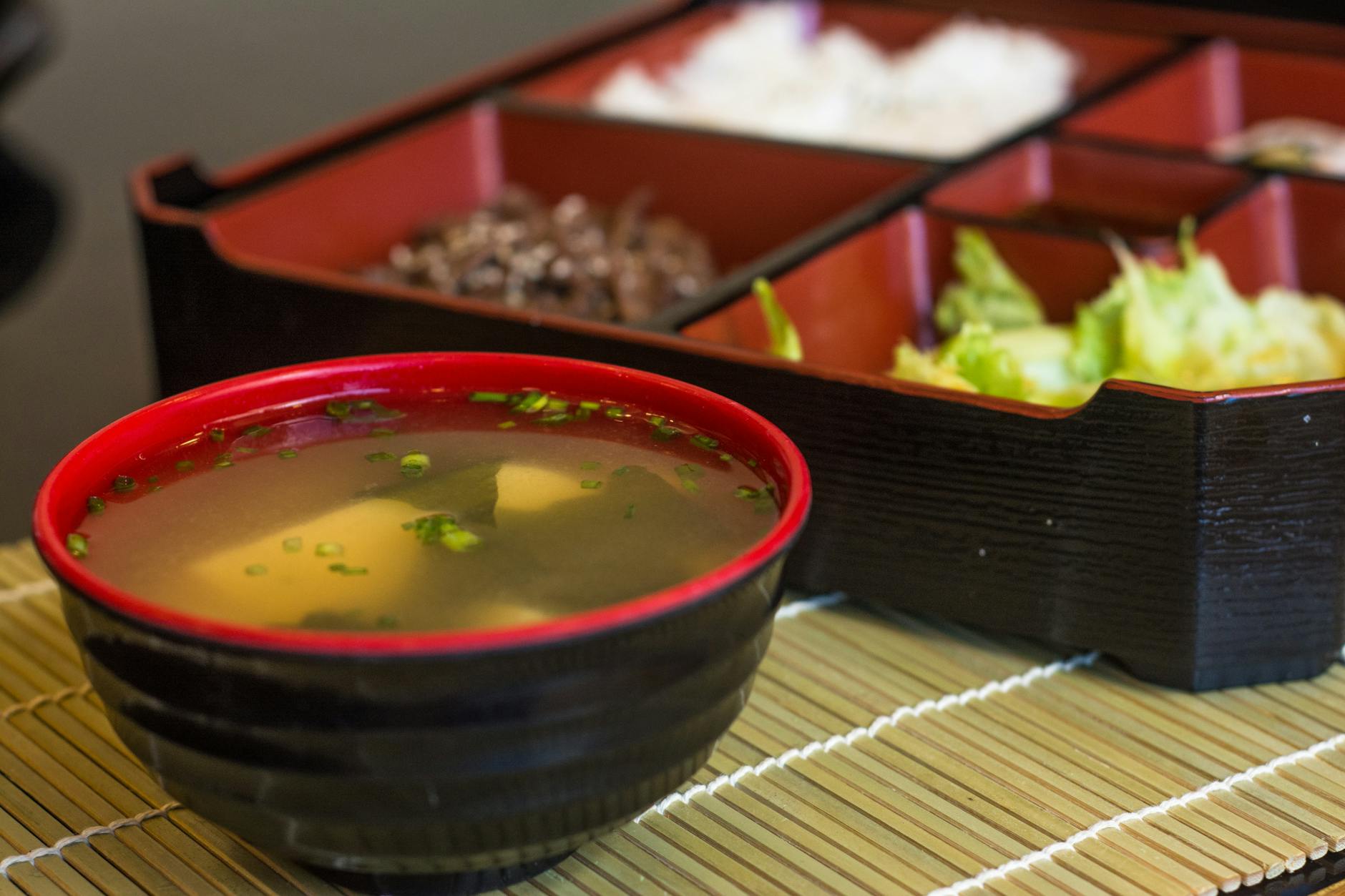
Mild Miso Tofu Couscous Nausea-Ease Cups
These soft miso tofu couscous cups are gently savory, low in fat, and mild in smell, making them easier to tolerate when GLP-1 medications trigger nausea. Protein-rich tofu and a small portion of couscous provide steady energy in a compact, easy-to-digest snack that won’t overwhelm a reduced appetite.
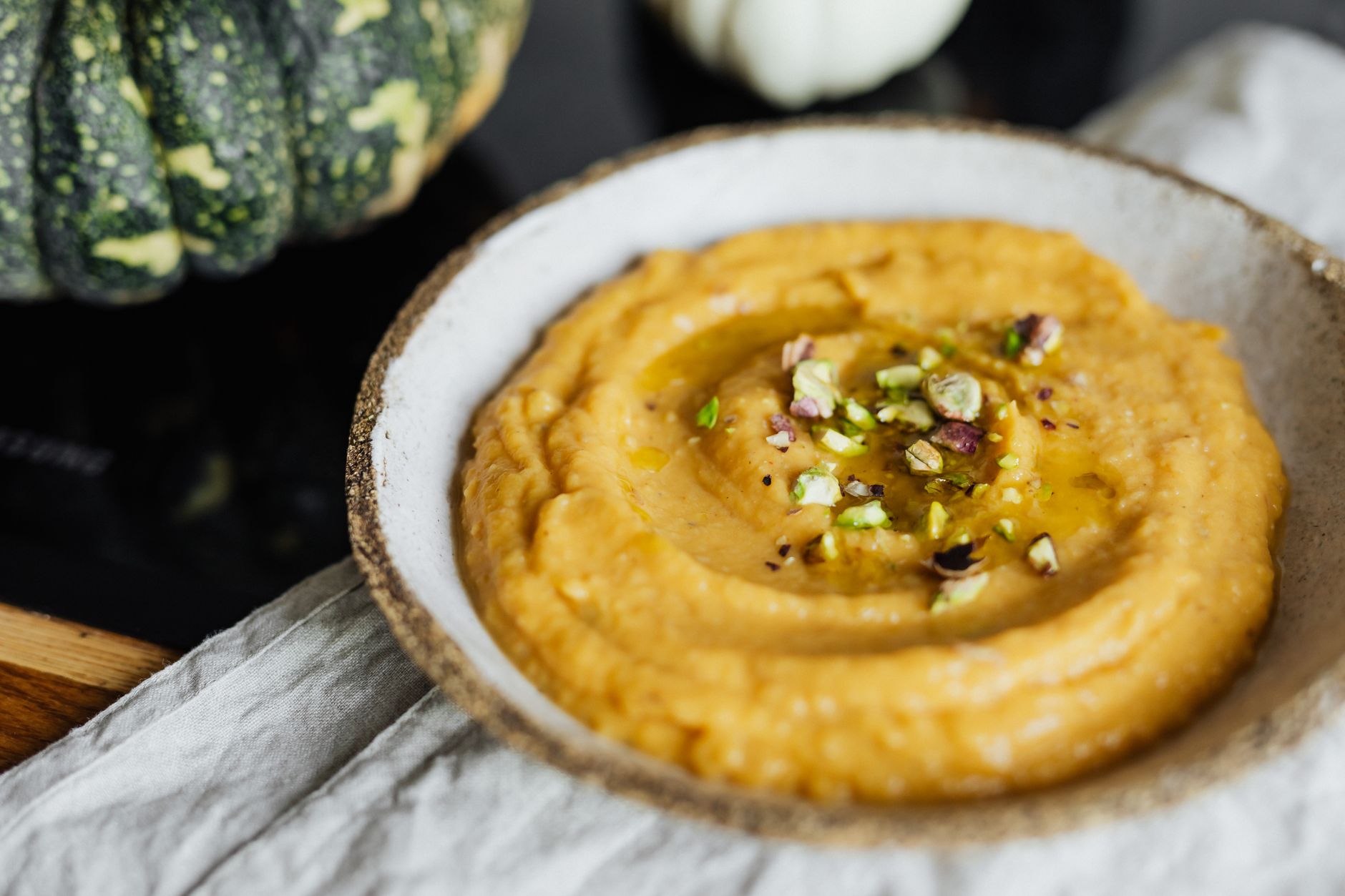
Roasted Pumpkin & Whipped Feta Dip
Roasted Pumpkin & Whipped Feta Dip is a dietician-designed snack built around butternut pumpkin, reduced-fat feta and reduced-fat Greek yoghurt. It's made for GLP-1 medication users managing constipation, with protein kept high and portions sized for a smaller appetite.

Savory Herb Tuna Couscous Bloat-Ease Bites
These soft, savory couscous bites use lean tuna and gentle herbs to create a light, low-fat snack that’s easier to digest for people on GLP-1 medications. The low-fiber couscous and simple flavors help minimize gas and bloating while still providing satisfying protein in a small portion.