GLP-1 Constipation Meals
Constipation affects up to 24% of GLP-1 users. These 18 recipes focus on soluble fibre, hydration, and magnesium-rich foods that promote regularity without triggering the bloating that high-fibre foods can cause on a slowed gut.
Why GLP-1 medications cause constipation
Constipation on GLP-1 medications like semaglutide (Ozempic, Wegovy) and tirzepatide (Mounjaro, Zepbound) is a direct consequence of the same mechanism that suppresses appetite. Understanding the causes helps you choose the right foods:
- Slowed intestinal transit: GLP-1 receptors are found throughout the gastrointestinal tract. The medication slows motility not just in the stomach but across the entire colon, giving the body more time to absorb water from stool, making it harder and more difficult to pass.
- Reduced food volume: When you eat significantly less food, there's less bulk moving through the intestines. Less bulk means less mechanical stimulation of the colon walls, which reduces the peristaltic contractions that move stool along.
- Lower fibre intake: Eating less overall usually means eating less fibre. Many GLP-1 users also actively avoid fibre-rich foods to prevent bloating, which compounds the problem.
- Dehydration risk: Nausea and vomiting (especially early in treatment) can reduce fluid intake. Inadequate hydration is one of the most common causes of constipation regardless of medication.
Constipation statistics on GLP-1
Clinical trial data shows constipation affects a significant minority of GLP-1 users:
- Semaglutide (Ozempic/Wegovy): Constipation reported by 12–24% of users in clinical trials
- Tirzepatide (Mounjaro/Zepbound): Constipation reported by 6–12% of users
- Timing: Most common in the first 8 weeks and after dose increases
- Severity: Usually mild to moderate; severe constipation requiring medical intervention is uncommon
The fibre strategy for GLP-1 constipation
Fibre is the primary dietary tool for constipation, but on GLP-1 you need to be strategic about which type of fibre and how much:
| Fibre type | Best sources | How it helps | GLP-1 notes |
|---|---|---|---|
| Soluble fibre | Oats, chia seeds, flaxseed, psyllium husk, bananas, cooked apples | Forms a gel that softens stool and makes it easier to pass | Generally well-tolerated on GLP-1. Start with small amounts. |
| Insoluble fibre | Whole grains, raw vegetables, nuts, wheat bran | Adds bulk to stool and speeds transit time | Can worsen bloating on GLP-1. Introduce gradually after week 4+. |
| Prebiotic fibre | Kiwi, prunes, cooked onions, asparagus | Feeds beneficial gut bacteria; constipation-friendly fibre | Kiwi and prunes are foods many people include when constipated. 2 kiwis/day is a commonly cited amount. |
The hydration factor
Fibre without adequate water makes constipation worse, not better. Fibre absorbs water — if there isn't enough available, it creates hard, bulky stool that's even harder to pass.
- Minimum 2 litres of water per day — more if you're increasing fibre intake
- Warm water first thing in the morning — stimulates the gastrocolic reflex, which triggers colon contractions. Add lemon for flavour.
- Avoid excessive caffeine — while a small amount of coffee can stimulate bowel movement, too much is dehydrating
- Broth counts: Warm chicken or vegetable broth contributes to fluid intake and provides electrolytes
Constipation-friendly foods
These are foods many people include when constipated:
| Food | Evidence | How to use |
|---|---|---|
| Prunes (dried plums) | Contains sorbitol (natural laxative) + fibre. Multiple RCTs show superiority to psyllium. | 2–3 prunes per day or 120ml prune juice. Start small — sorbitol can cause gas. |
| Kiwi fruit | Contains actinidin (an enzyme) + fibre. A commonly cited amount is 2 kiwis/day. | 2 kiwis per day, with or without skin. Very well tolerated on GLP-1. |
| Chia seeds (soaked) | 14g soluble fibre per 30g serving. Forms a gel that lubricates stool. | Soak 15g in water or yogurt for 10+ minutes. Never eat dry. |
| Ground flaxseed | Both soluble and insoluble fibre. Also provides omega-3 fatty acids. | 1–2 tablespoons per day in oats, yogurt, or smoothies. |
| Cooked spinach | High in magnesium (natural muscle relaxant for the colon) + fibre. | Wilt into soups, omelettes, or serve as a side. Cooking improves digestibility. |
| Sweet potato | Soluble fibre + magnesium + potassium. Supports colonic motility. | Baked with skin on for maximum fibre. Very gentle on nausea. |
Lifestyle habits that help
- Move daily: Even a 15–20 minute walk stimulates intestinal motility. Physical activity is one of the most effective non-dietary interventions for constipation.
- Don't ignore the urge: When you feel the urge to have a bowel movement, respond immediately. Delaying can cause the colon to reabsorb more water from the stool.
- Morning routine: Warm water + breakfast + a short walk creates a natural window for bowel movement. The gastrocolic reflex is strongest in the morning.
- Consistent meal timing: Eating at regular times trains the gut to expect food and maintain regular motility patterns.
When to call your doctor
Mild constipation is manageable with diet and hydration. See your doctor if you experience: no bowel movement for 3+ consecutive days, severe abdominal pain or cramping, blood in stool, constipation alternating with diarrhoea, nausea or vomiting alongside constipation, or if over-the-counter remedies (fibre supplements, gentle laxatives) don't help after 1 week.
Constipation-friendly recipes
Sorted by constipation tolerance score. Higher score = more fibre, hydration, and gut-supporting nutrients.
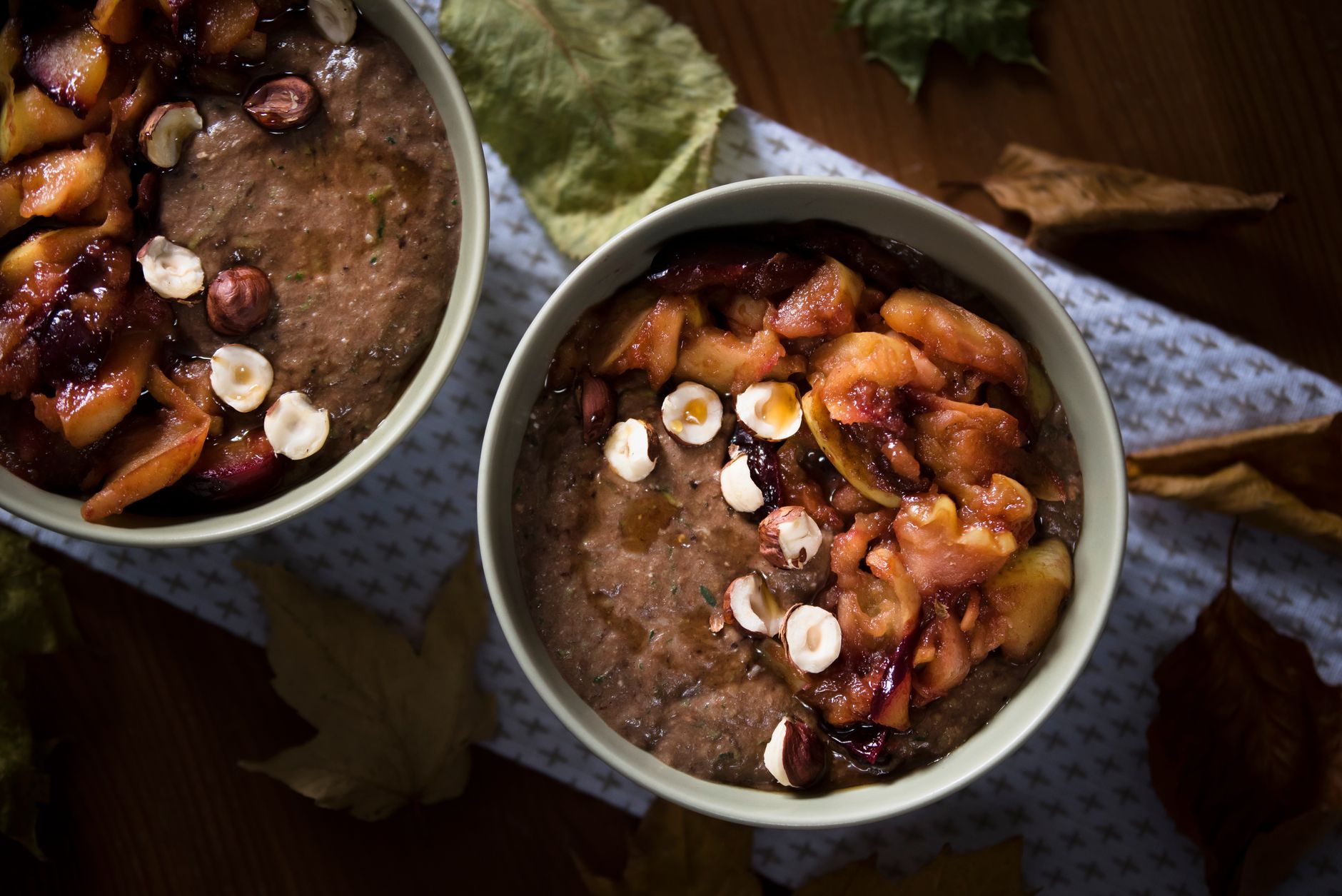
Pear, Cinnamon & Flax Protein Porridge
Pear, Cinnamon & Flax Protein Porridge is a dietician-designed breakfast built around rolled oats, reduced-fat milk and vanilla whey protein isolate. It's made for GLP-1 medication users managing constipation, with protein kept high and portions sized for a smaller appetite.
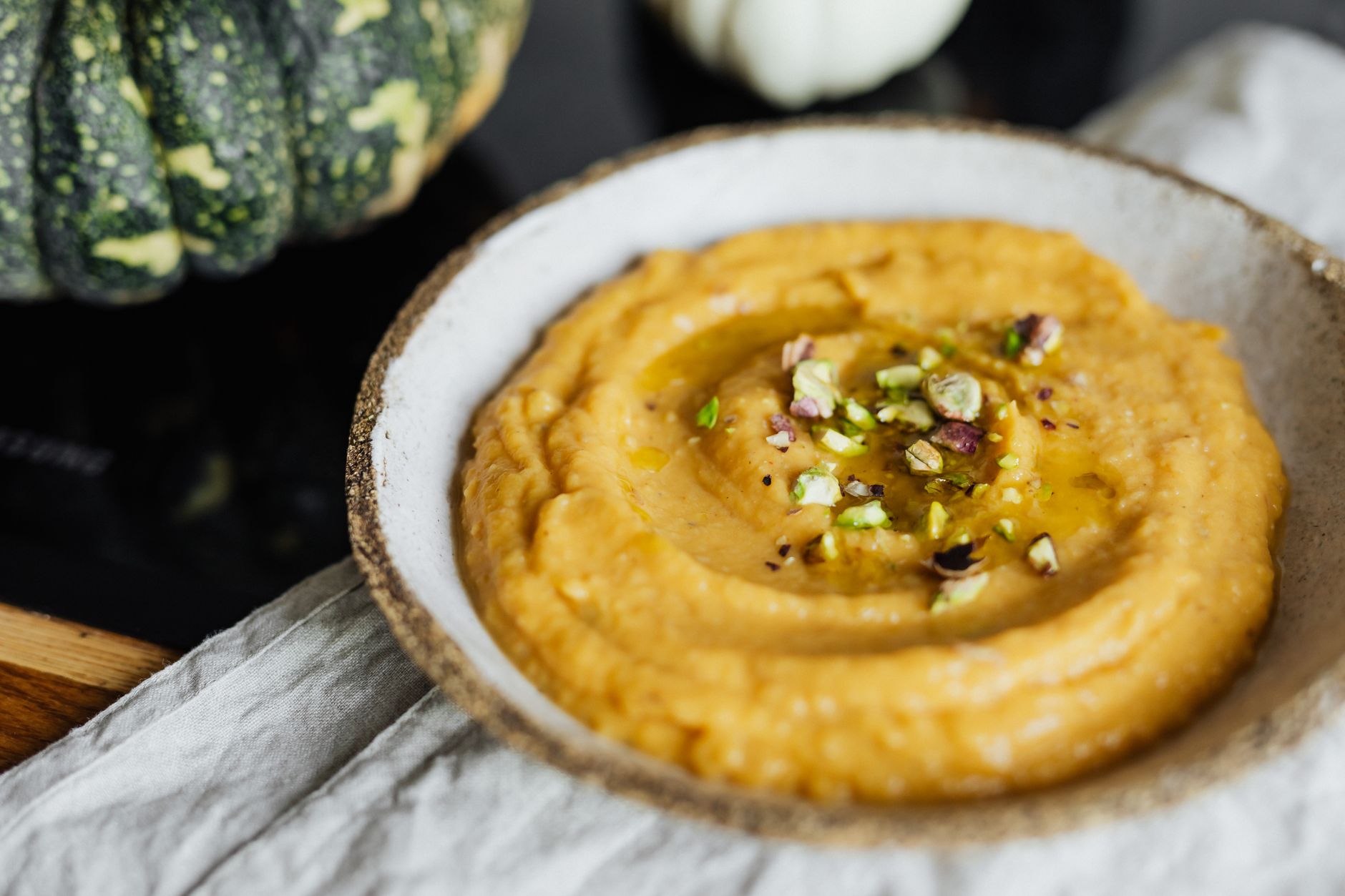
Roasted Pumpkin & Whipped Feta Dip
Roasted Pumpkin & Whipped Feta Dip is a dietician-designed snack built around butternut pumpkin, reduced-fat feta and reduced-fat Greek yoghurt. It's made for GLP-1 medication users managing constipation, with protein kept high and portions sized for a smaller appetite.
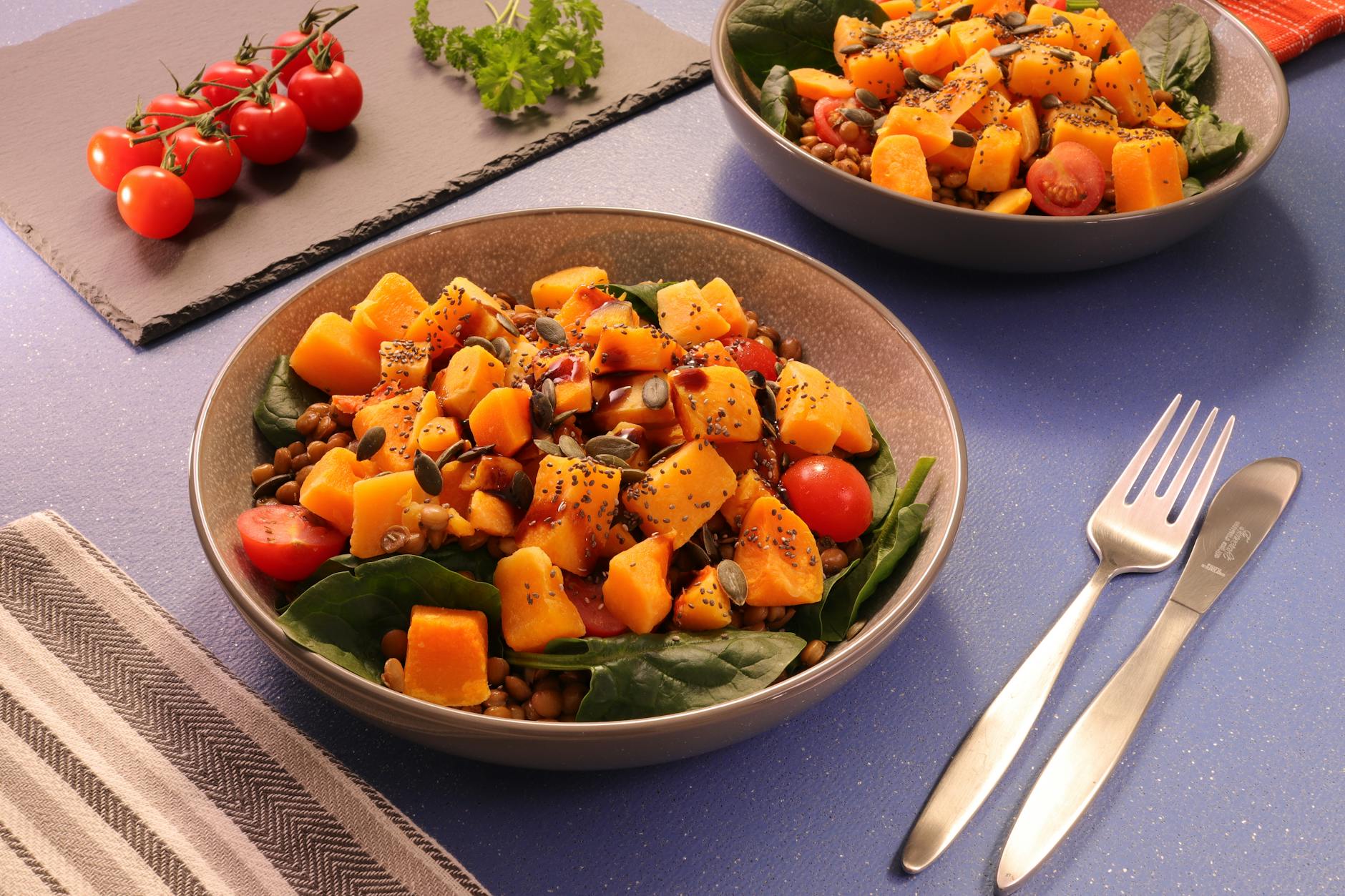
Creamy Lentil, Spinach & Chia Lunch Bowl
This gentle, creamy lentil and spinach bowl is designed for people on GLP-1 medications who need help with constipation. It combines fiber-rich lentils, chia, and vegetables with magnesium-containing spinach and pumpkin seeds in a small, easy-to-digest portion that’s mild in flavor and smell.
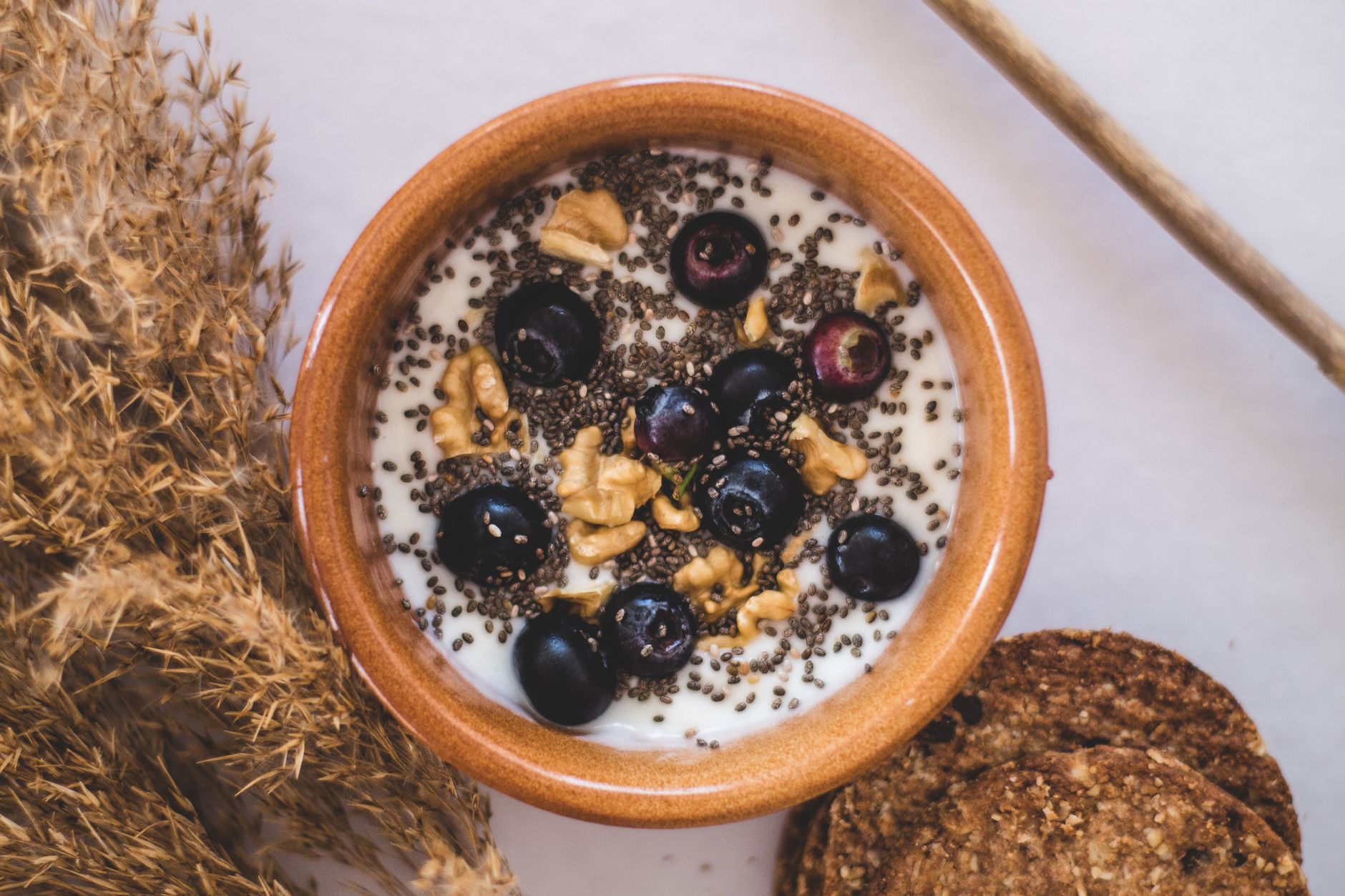
Creamy Pumpkin Pie Protein Oats
Creamy Pumpkin Pie Protein Oats is a dietician-designed breakfast built around rolled oats, reduced-fat milk and canned pumpkin purée (100% pumpkin). It's made for GLP-1 medication users managing constipation, with protein kept high and portions sized for a smaller appetite.
Build a day of meals that suits you right now
Two quick questions and we’ll put together a day of meals from our recipe library.
Step 1 of 3
Please pick one so we know where to start.
Step 2 of 3
Pescatarian plus excluding both fish and shellfish doesn't leave anything to build from — pick one or the other.
Step 3 of 3
We will use this to send your day
We'll email you this day as a PDF, plus a quick intro to Food Signals and our current offer.
Please enter a valid email address.
Food Signals
Your day of meals
Daily Clinical Targets
Dietitian's Note
A lot to work around.
We've built this day inside everything you told us. With this many things to avoid — and a smaller appetite on top — it's worth talking it through with a dietitian who can look at the whole picture with you, especially around protein.
Missing something you'd like to see? Tell us what you'd cook and we'll add recipes that fit.
Thanks — we've got it.
We've emailed an intro to Food Signals, an overview of what it does, and our current offer — with your plan attached as a PDF.
Save this day?
We'll save this day as your first plan in Food Signals — then come back any time to build the rest of the week, a shopping list, and somewhere to note how meals actually went. Your first 30 days are free, and early-access members get 50% off for the first 12 months when paid plans launch. No card needed.
This creates your Food Signals account. We never share your email, and you can delete your account any time. Read our privacy policy → Consumer Health Data Privacy Policy
You're in — welcome!
Taking you straight into the app…
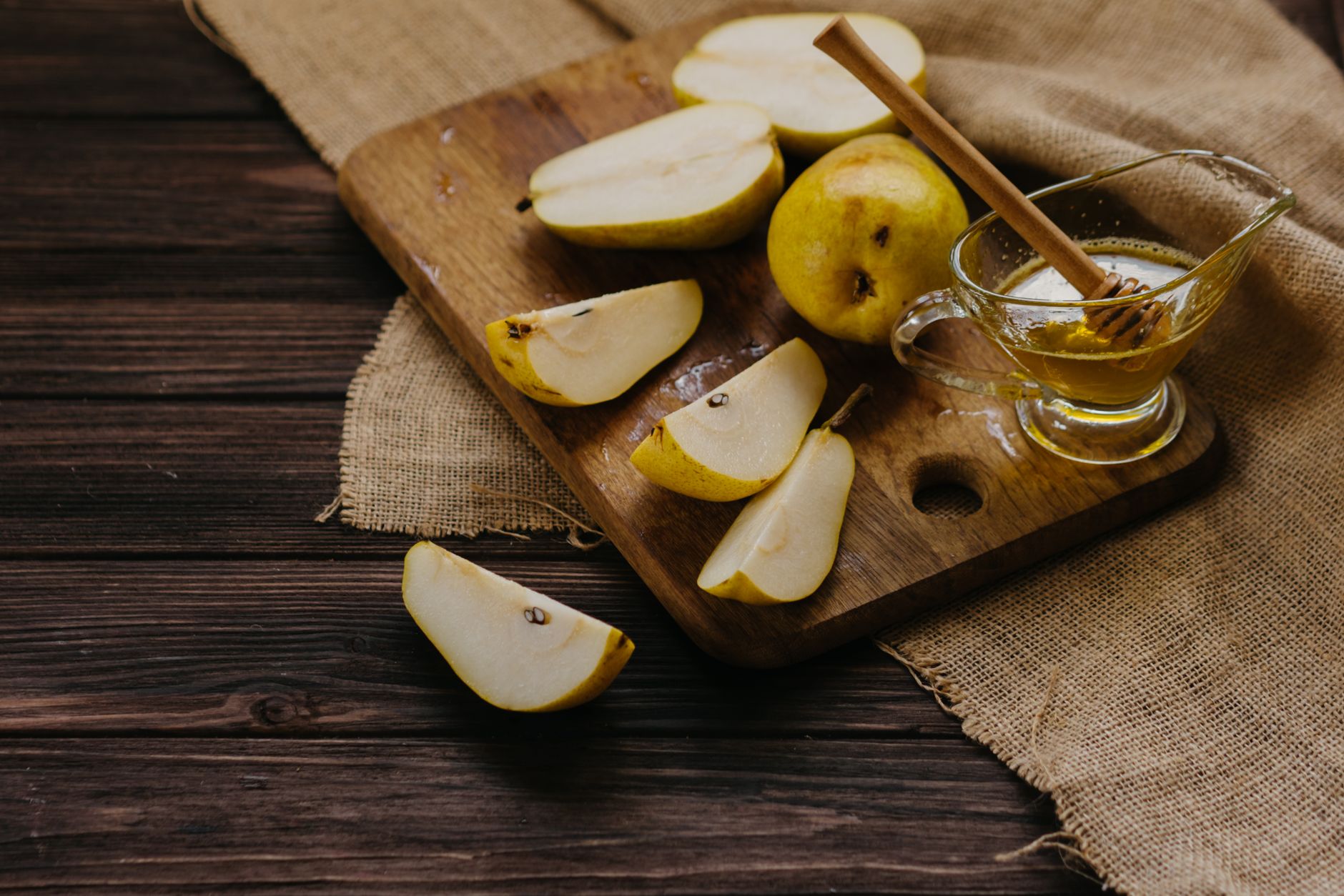
Pear & Honey Ricotta Pot
Pear & Honey Ricotta Pot is a dietician-designed snack built around light ricotta, large ripe pear and chopped walnuts. It's made for GLP-1 medication users managing constipation, with protein kept high and portions sized for a smaller appetite.
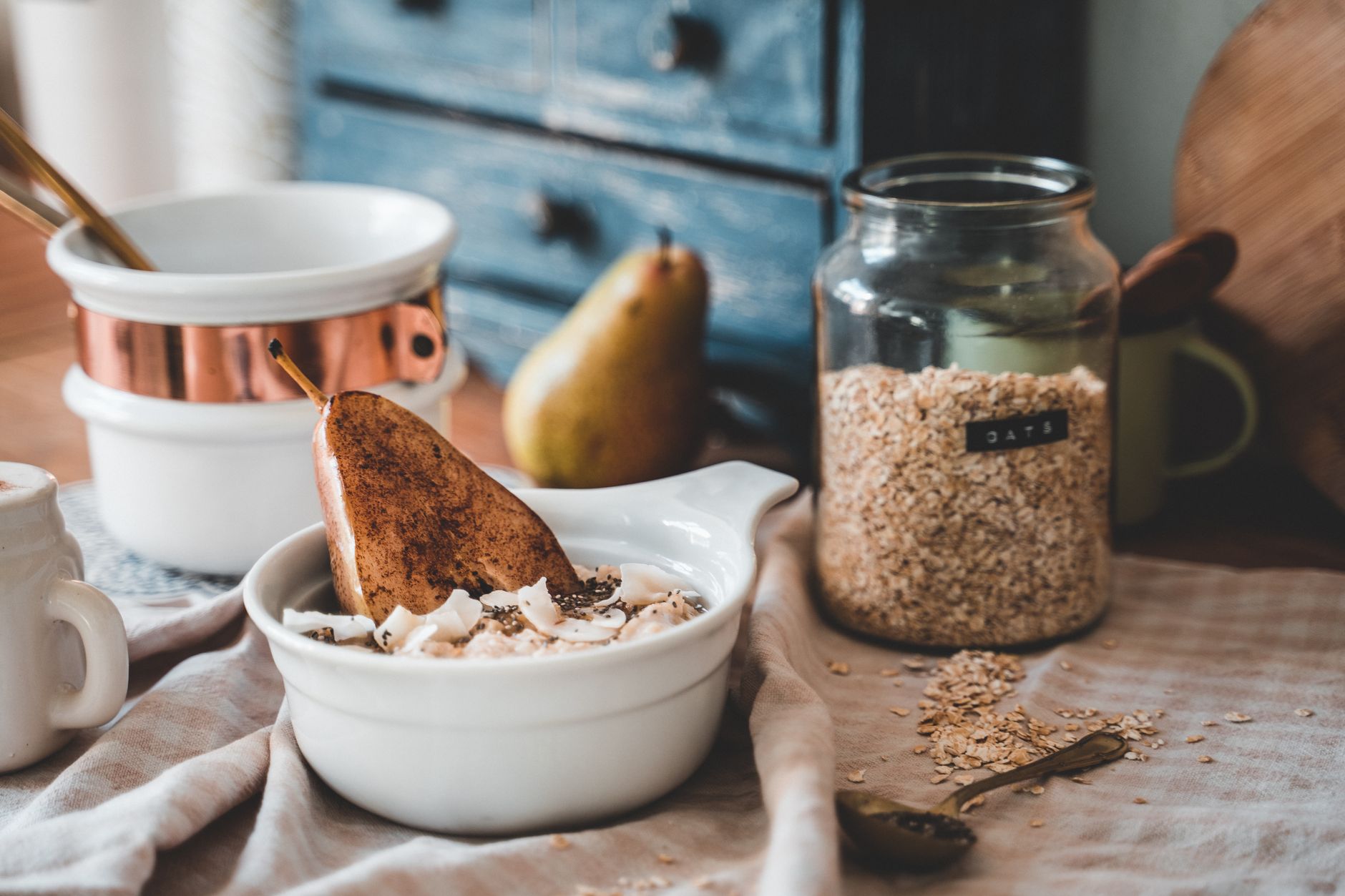
Warm Pear & Almond Fiber Porridge
This warm pear and almond porridge is designed for GLP-1 users with slowed gut motility, combining gentle soluble fiber, magnesium, and hydration to ease constipation. It’s softly textured, lightly flavored, and protein-rich to support nutrition despite smaller breakfast portions.
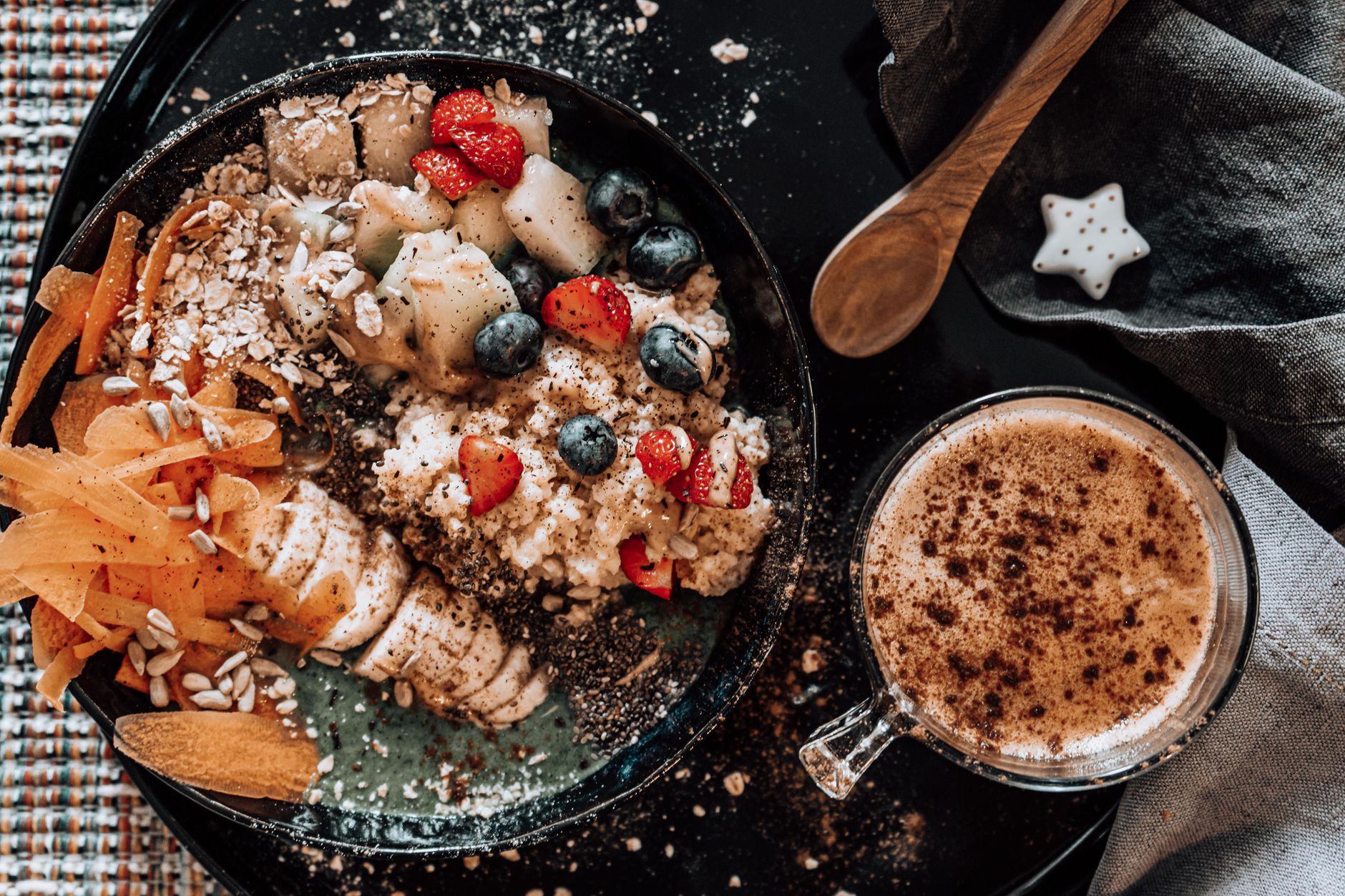
Warm Cinnamon Matcha Brown Rice Breakfast Bowl
This warm cinnamon matcha brown rice bowl is designed for GLP-1 users with constipation, combining fiber-rich brown rice, chia, and pear with gentle hydration from almond milk. It’s softly textured, lightly flavored, and protein-fortified to support gut motility and maintain nutrition despite smaller appetites.
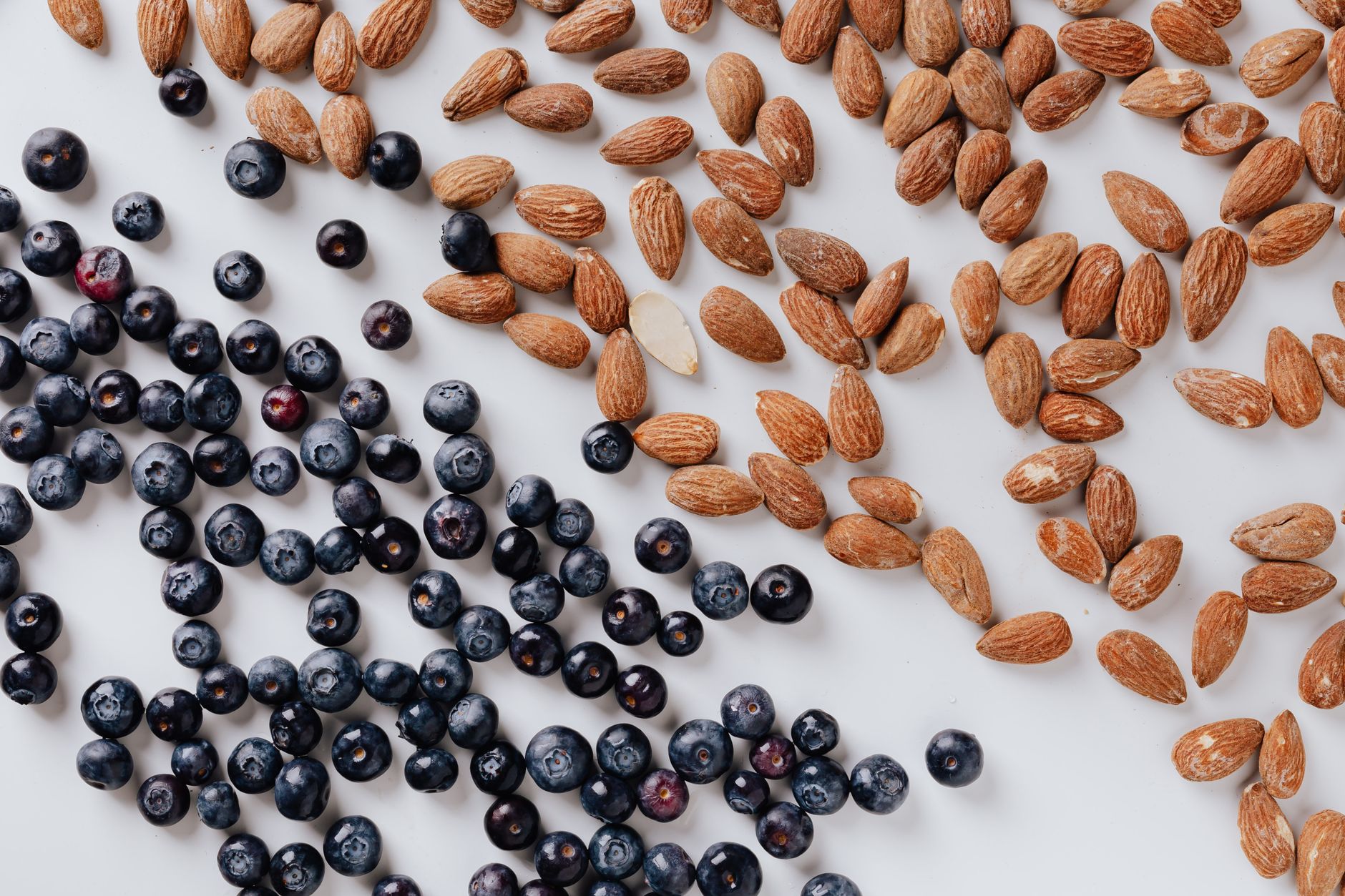
Blueberry Almond Baked Protein Oatmeal
Blueberry Almond Baked Protein Oatmeal is a dietician-designed breakfast built around rolled oats, vanilla protein powder and eggs. It's made for GLP-1 medication users managing constipation, with protein kept high and portions sized for a smaller appetite.
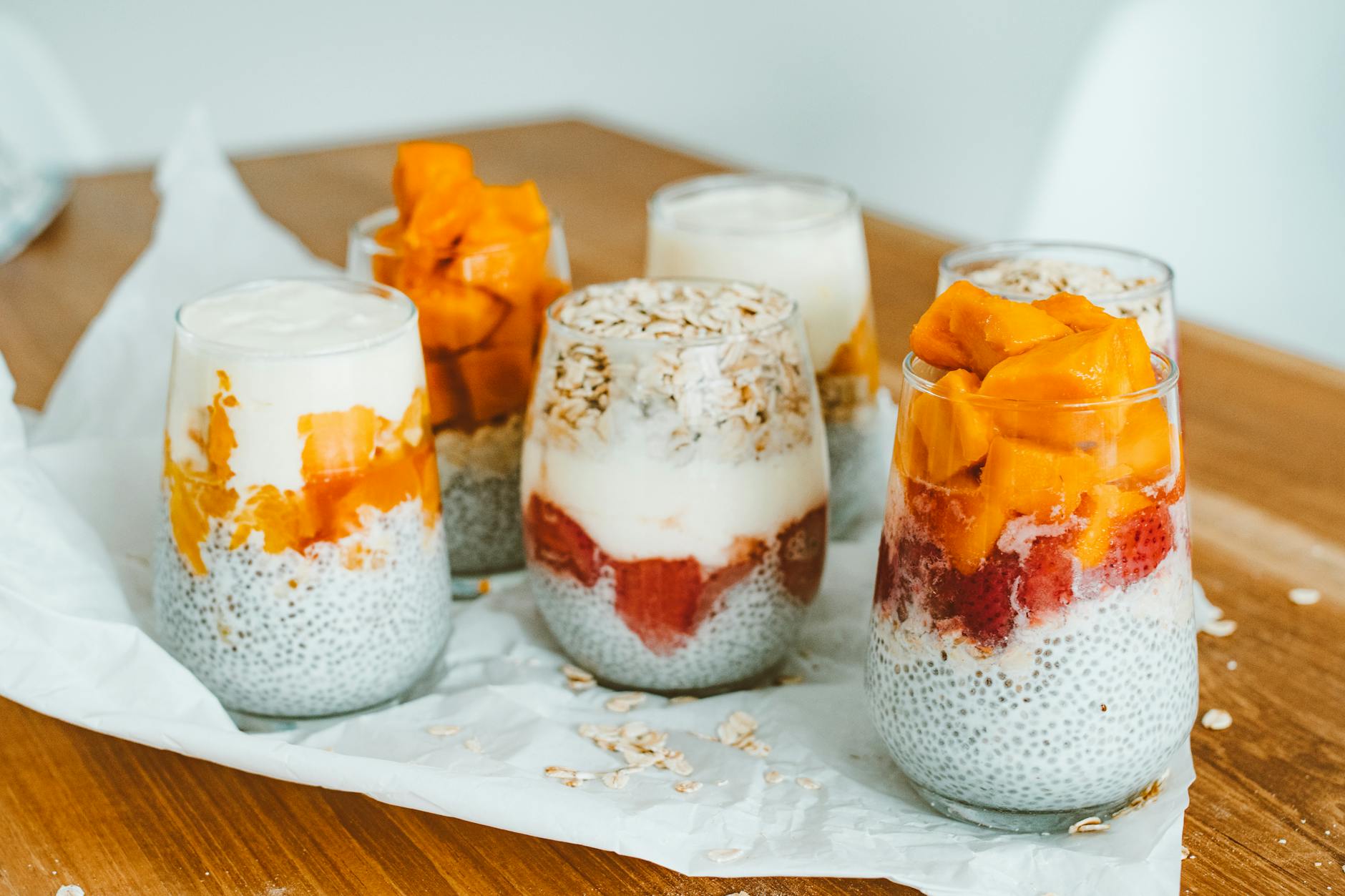
Warm Pear & Chia Yogurt Digestive Cups
These gentle warm pear and chia yogurt cups are designed for GLP-1 users, combining soluble fiber, fluid, and magnesium-rich seeds to ease constipation. The small, protein-rich portions are easy on a sensitive stomach while supporting regularity despite reduced appetite.
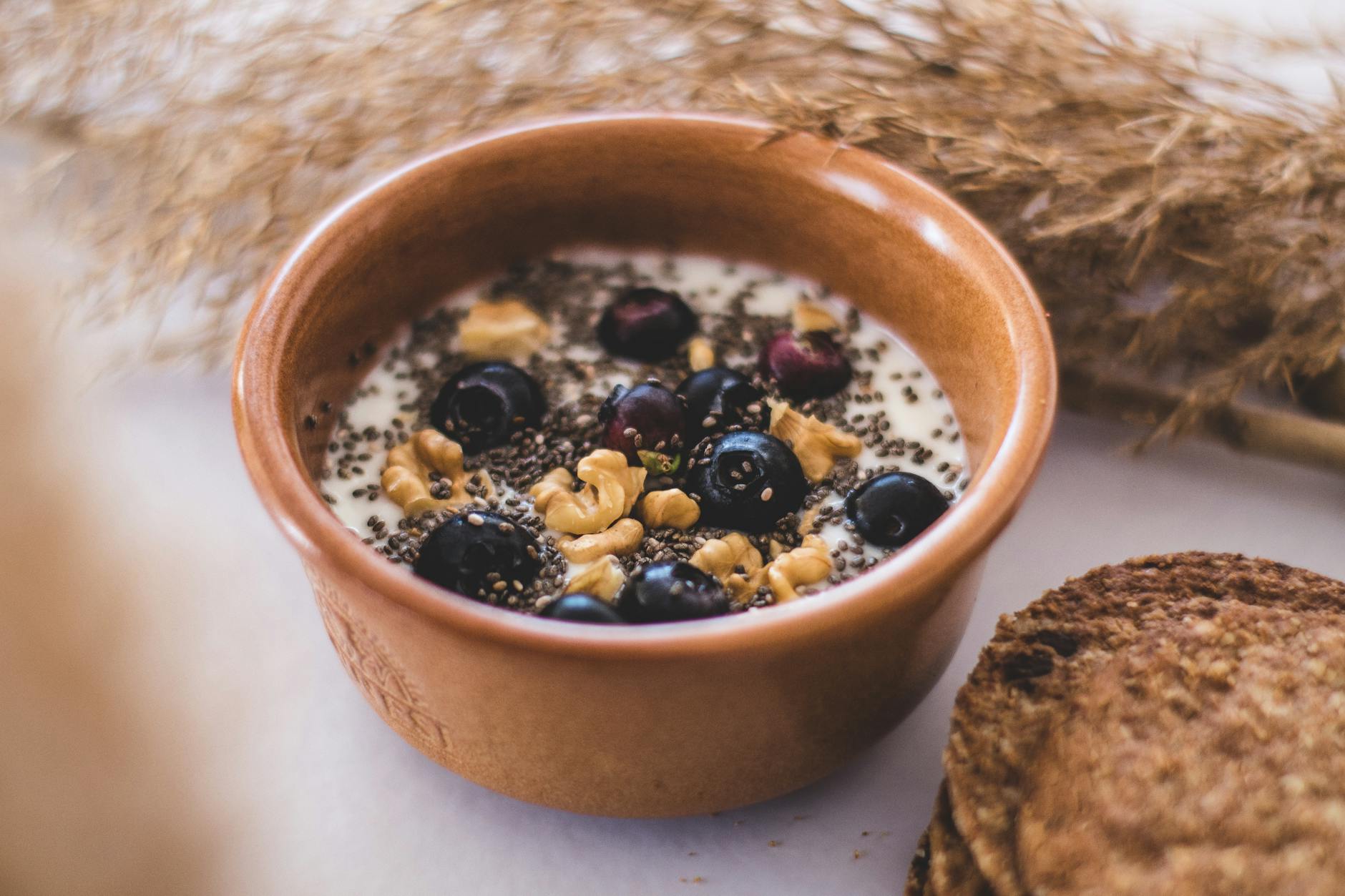
Warm Chia-Oat Yogurt Bowl for Regularity
This warm chia-oat yogurt bowl is designed for people on GLP-1 medications, combining gentle soluble fiber with protein to support regularity without overloading the stomach. The creamy texture, mild flavor, and magnesium- and fiber-rich seeds help ease constipation while staying easy to digest in a small, satisfying portion.
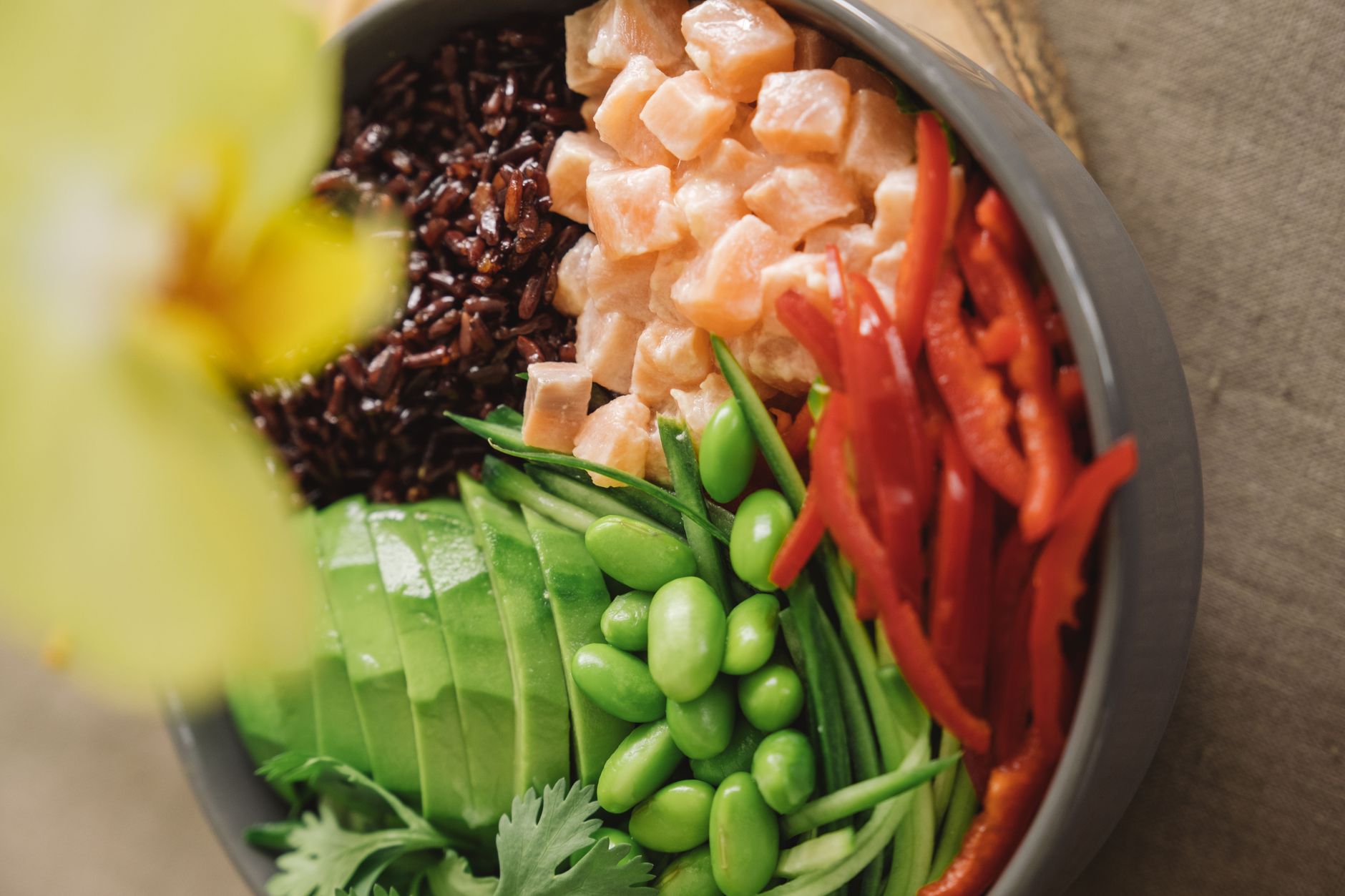
Herbed Salmon Brown Rice Fiber Bowl
This gentle Mediterranean-style salmon and brown rice bowl is designed for GLP-1 users struggling with constipation, combining wholegrain fiber, hydrating vegetables, and magnesium-rich ingredients. The soft textures, light herbs, and moderate fat support digestion while providing steady protein in a small, satisfying portion.
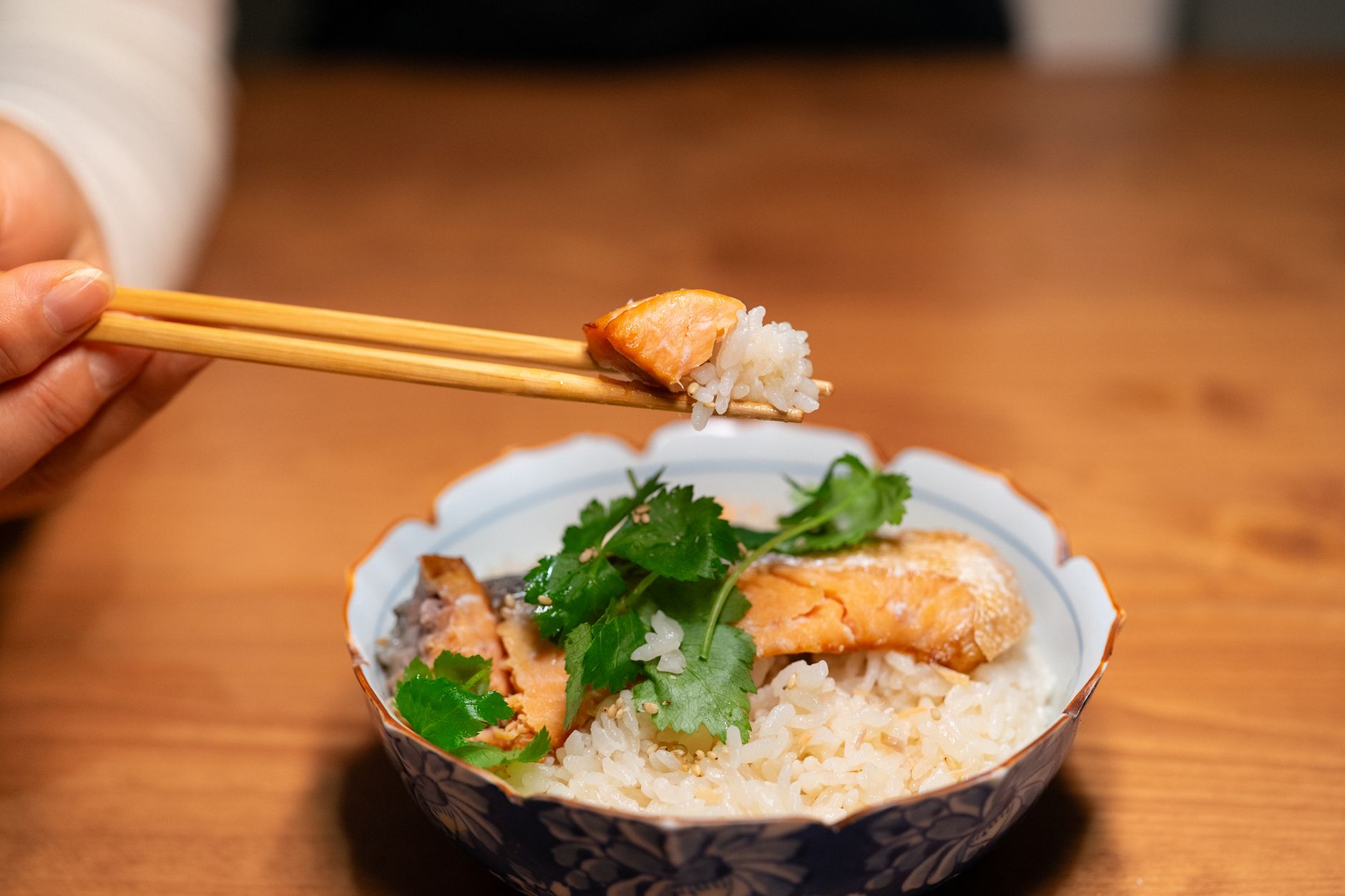
Herbed Salmon Brown Rice Bowl for Regularity
This gentle Mediterranean-style salmon and brown rice bowl is designed for GLP-1 users struggling with constipation, combining fiber, hydration, and magnesium-rich ingredients to support motility. Soft vegetables, olive oil, and herbs keep it easy to digest while providing high-quality protein in a small, satisfying portion.
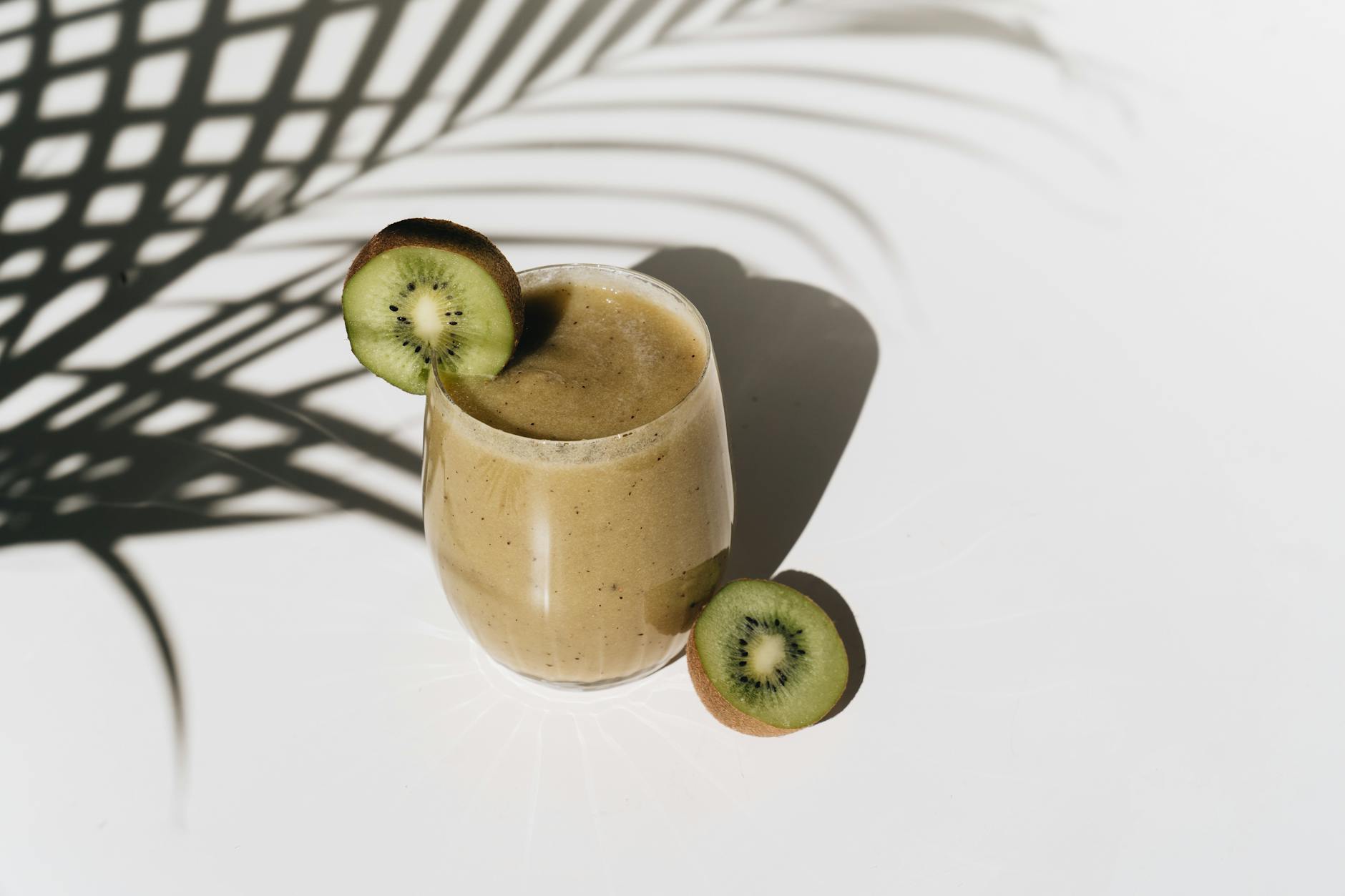
Gut-Easing Kiwi Flax Kefir Smoothie
This creamy, tangy smoothie is designed for people on GLP-1 medications who struggle with constipation, combining fiber, fluid, and magnesium-rich ingredients to support regularity. It’s gentle on the stomach, high in protein, and served in small portions to match reduced appetite while still being nutritionally dense.
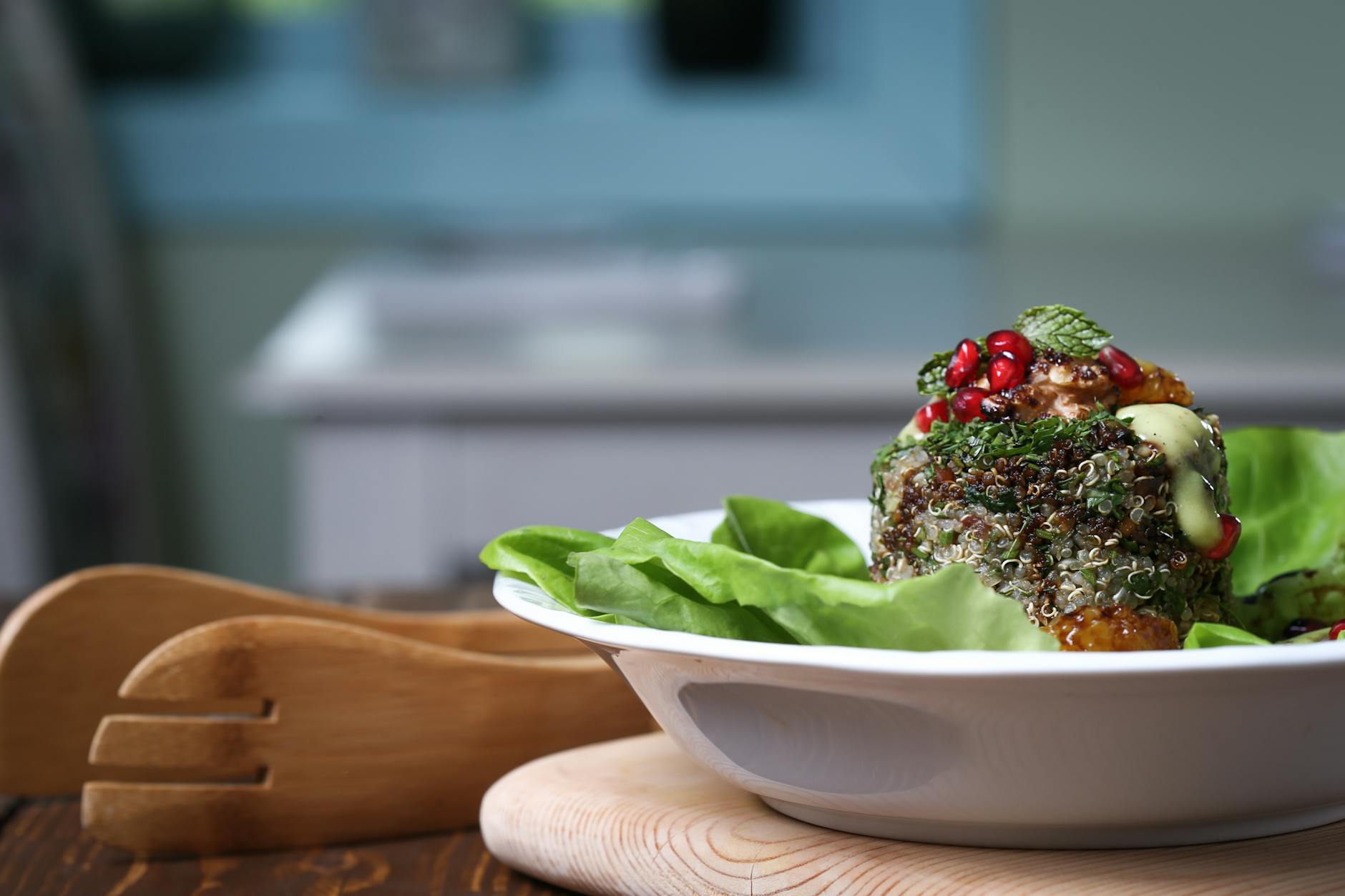
Warm Lentil, Quinoa & Greens Bowl
This warm lentil and quinoa bowl is designed for people on GLP-1 medications, providing gentle plant protein, fiber, and magnesium to support regular bowel movements. The mild flavors, soft textures, and small portion size are easy to tolerate when appetite is low or the gut feels sluggish.
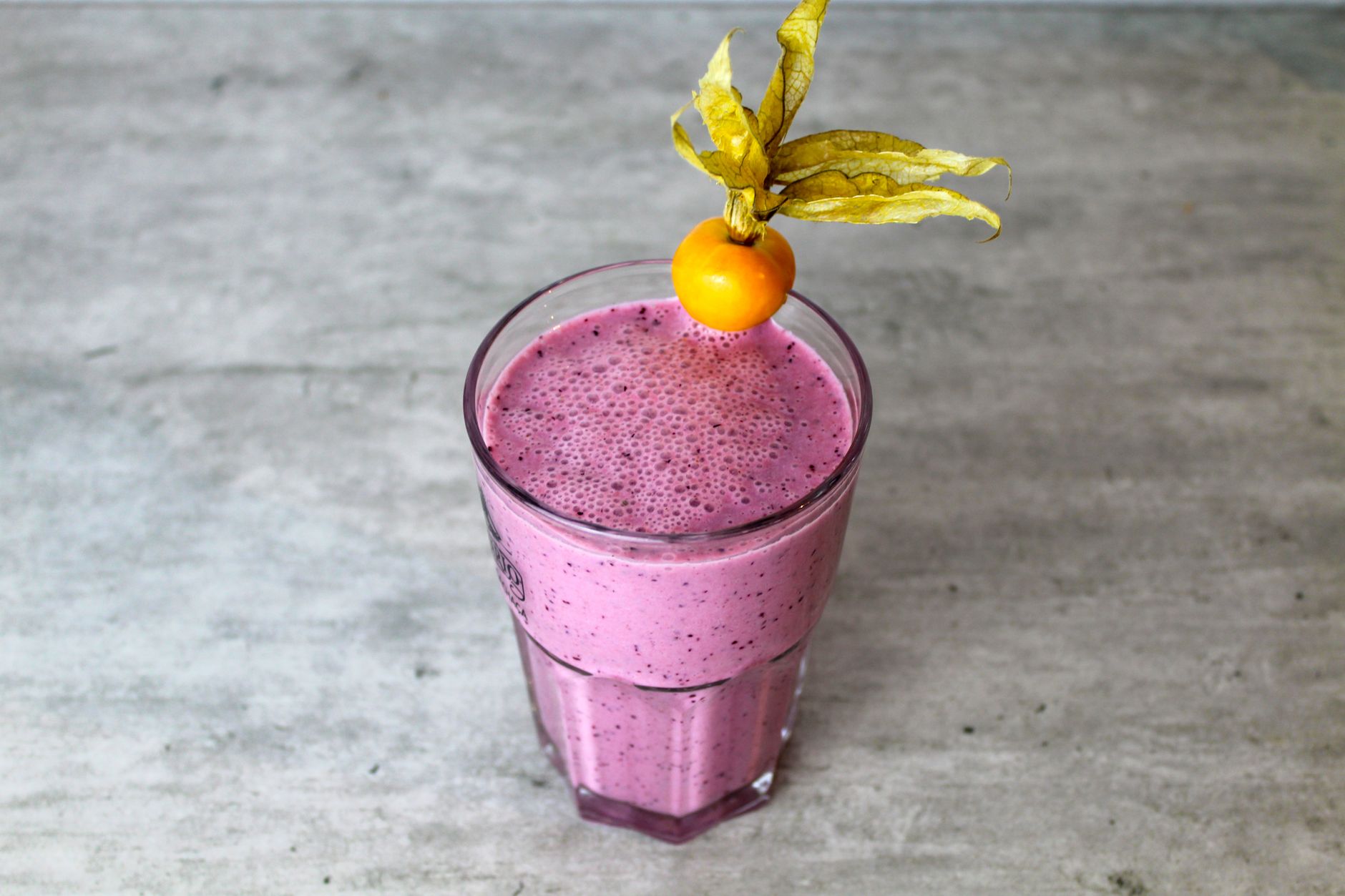
Berry Kefir Protein Smoothie
Berry Kefir Protein Smoothie is a dietician-designed snack built around plain kefir, reduced-fat Greek yoghurt and frozen mixed berries. It's made for GLP-1 medication users managing constipation, with protein kept high and portions sized for a smaller appetite.
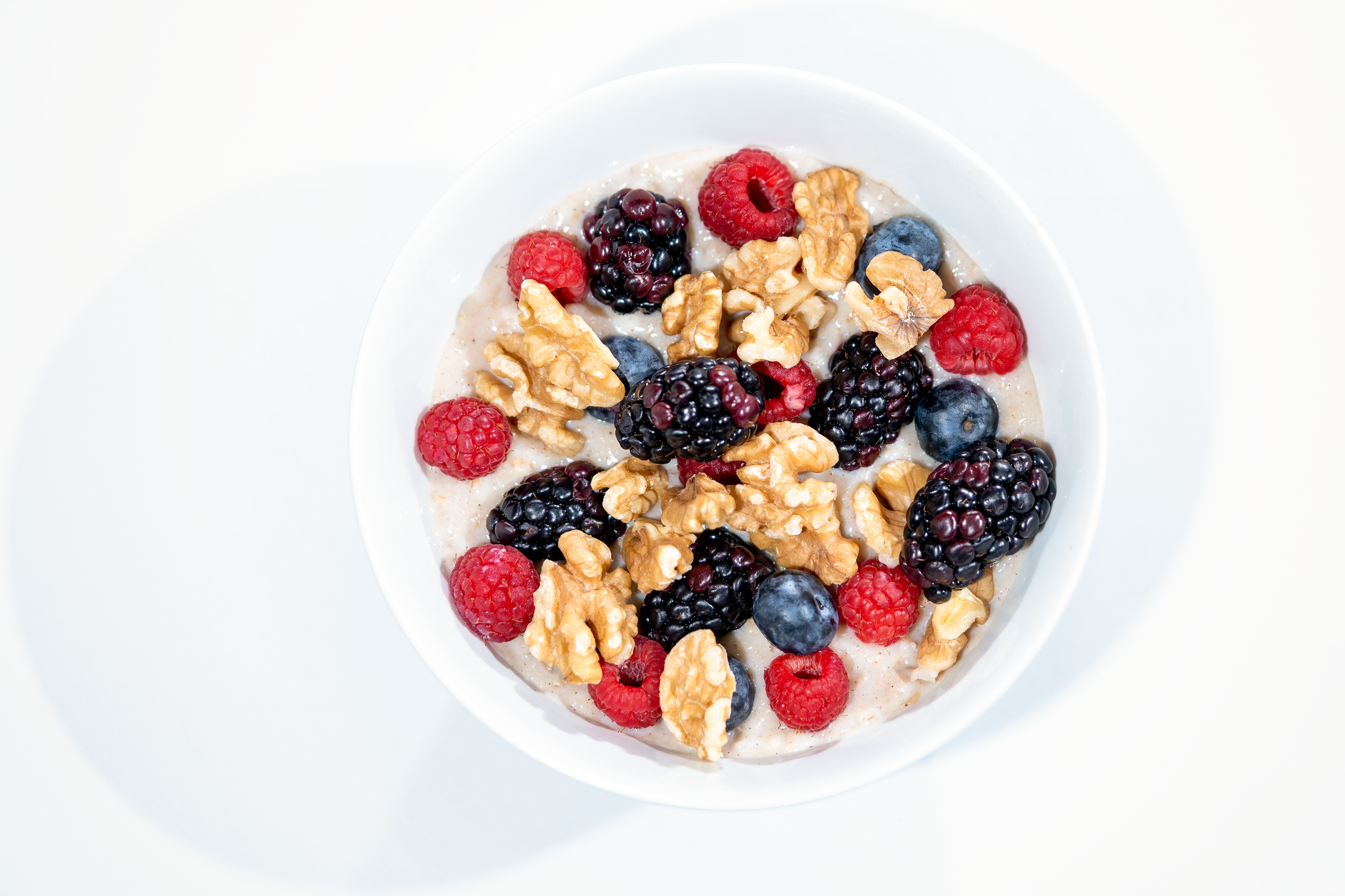
Mixed Berry Kefir Protein Breakfast Bowl
Mixed Berry Kefir Protein Breakfast Bowl is a dietician-designed breakfast built around plain kefir, reduced-fat Greek yoghurt and vanilla whey protein isolate. It's made for GLP-1 medication users managing constipation, with protein kept high and portions sized for a smaller appetite.
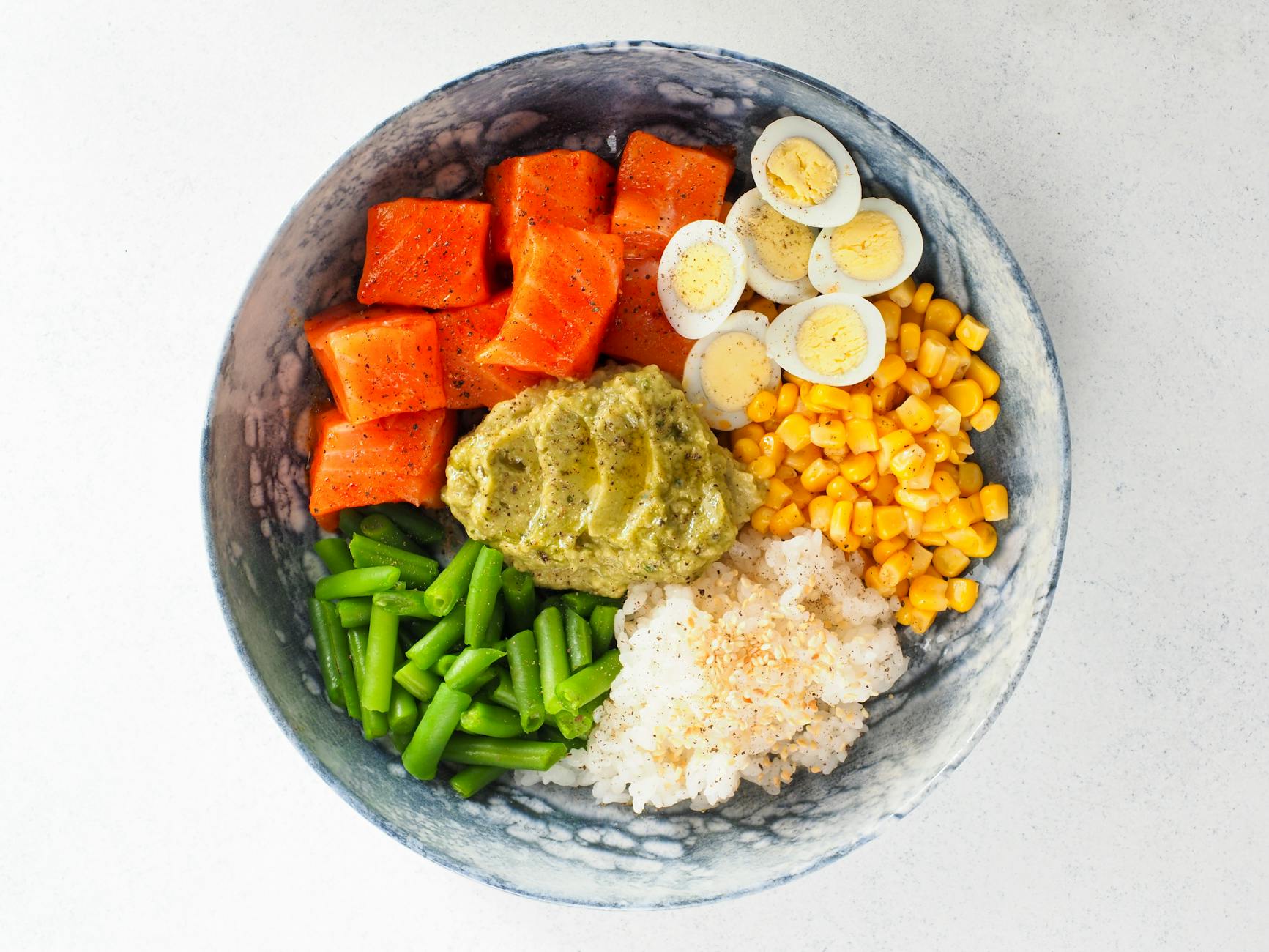
Lemony Salmon, Quinoa & White Bean Bowl
This high-protein, high-fiber dinner is designed for people on GLP-1 medications who struggle with constipation. Gentle lemon, soft textures, and magnesium-rich ingredients like quinoa and white beans support regularity without being heavy on the stomach.
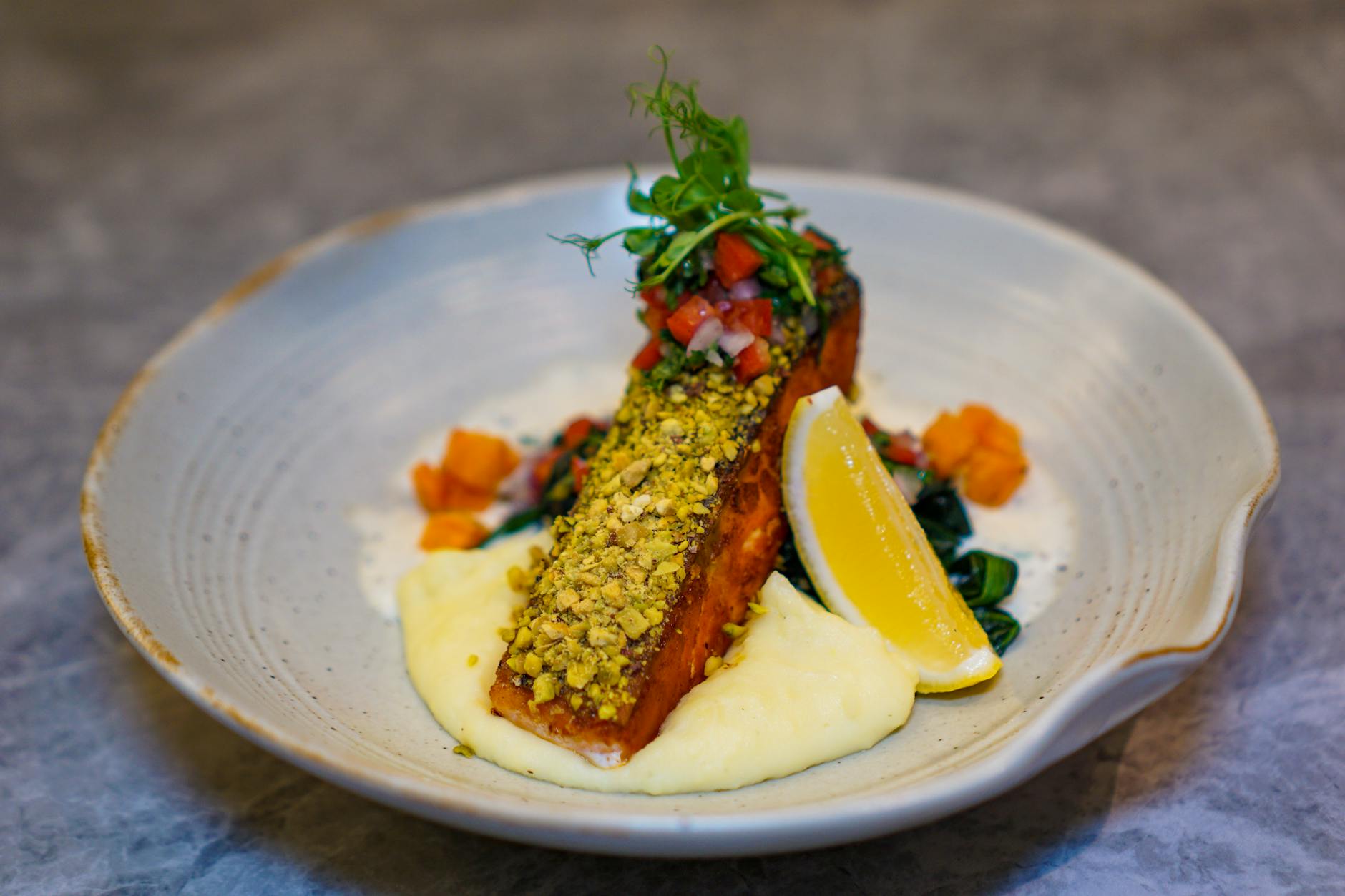
Fiber-Rich Lemon Herb Salmon with Lentil Spinach Mash
This gentle, high-protein dinner pairs flaky salmon with a fiber-rich lentil and spinach mash to support regularity while on GLP-1 medication. The soft textures, light lemon-herb flavor, and magnesium-rich ingredients are easy on a slowed gut and suitable for smaller appetites.
Constipation and bloating often overlap
The dietary advice for constipation (more fibre) and bloating (less fibre) can seem contradictory. The key is soluble fibre + gradual increases.